📘 TRAVEL COMPANION Enrich your journey with local words, cultural notes & visual stories

🇨🇺 Cuba · Full Uncropped Gallery

Edge‑to‑edge layout | No image cropping | Varadero · Trinidad · Cienfuegos · Havana · Bacunayagua Bridge
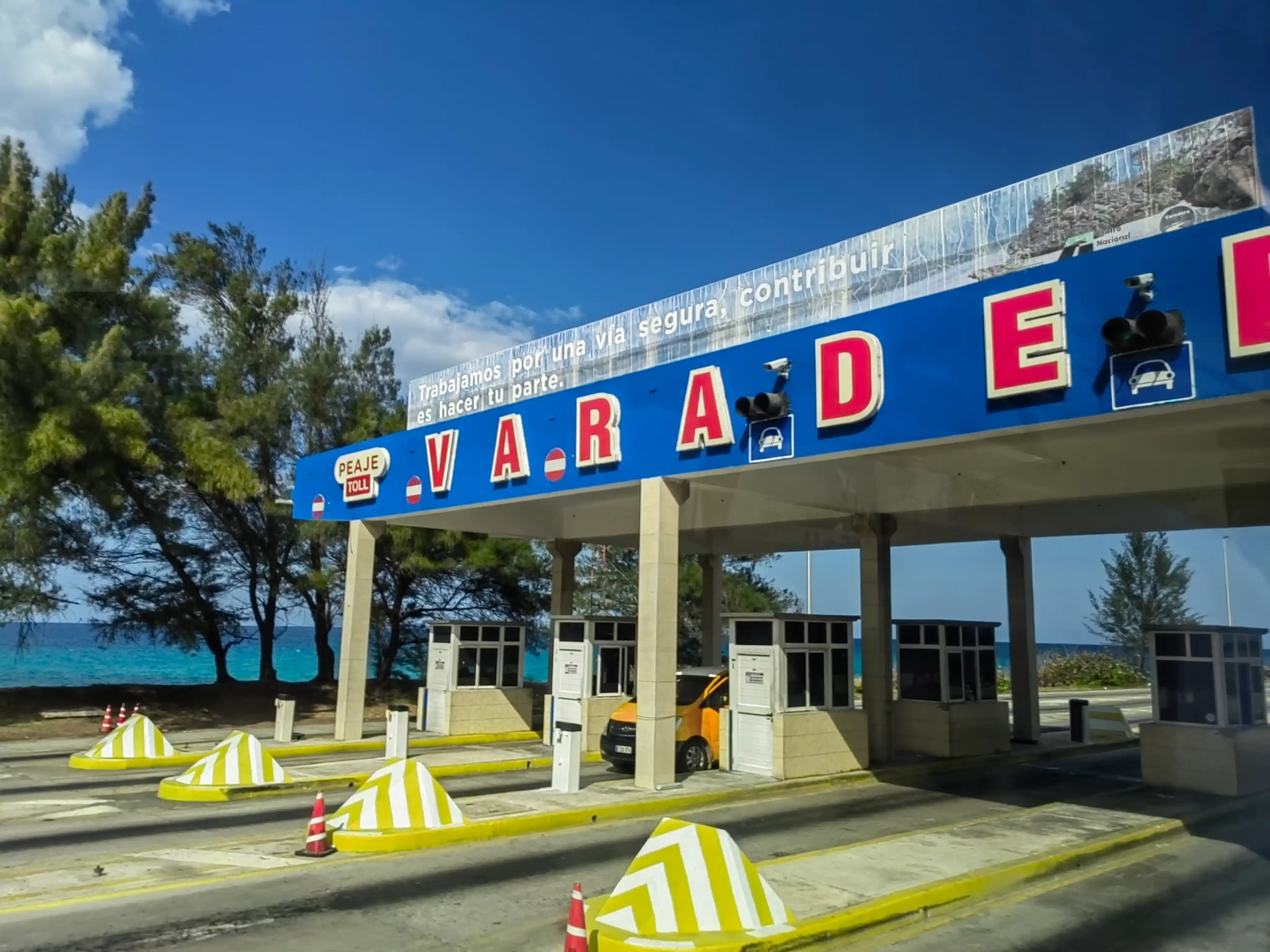
Varadero toll booth entrance - 001

001.webp — Gateway to Varadero
This toll booth (PEAJE) marks the entrance to the Varadero peninsula, one of Cuba's most famous beach destinations. Stretching 20 km along the Hicacos Peninsula, Varadero is renowned for its fine white sand and crystal-clear turquoise waters. Originally a retreat for the Cuban elite in the 1930s, today it welcomes international travelers. The blue overhead structure with bold red lettering signals arrival to a strip of paradise dotted with all-inclusive resorts, coral reefs, and lush coastal greenery.
001 · Varadero Gateway · History & EntranceView original →
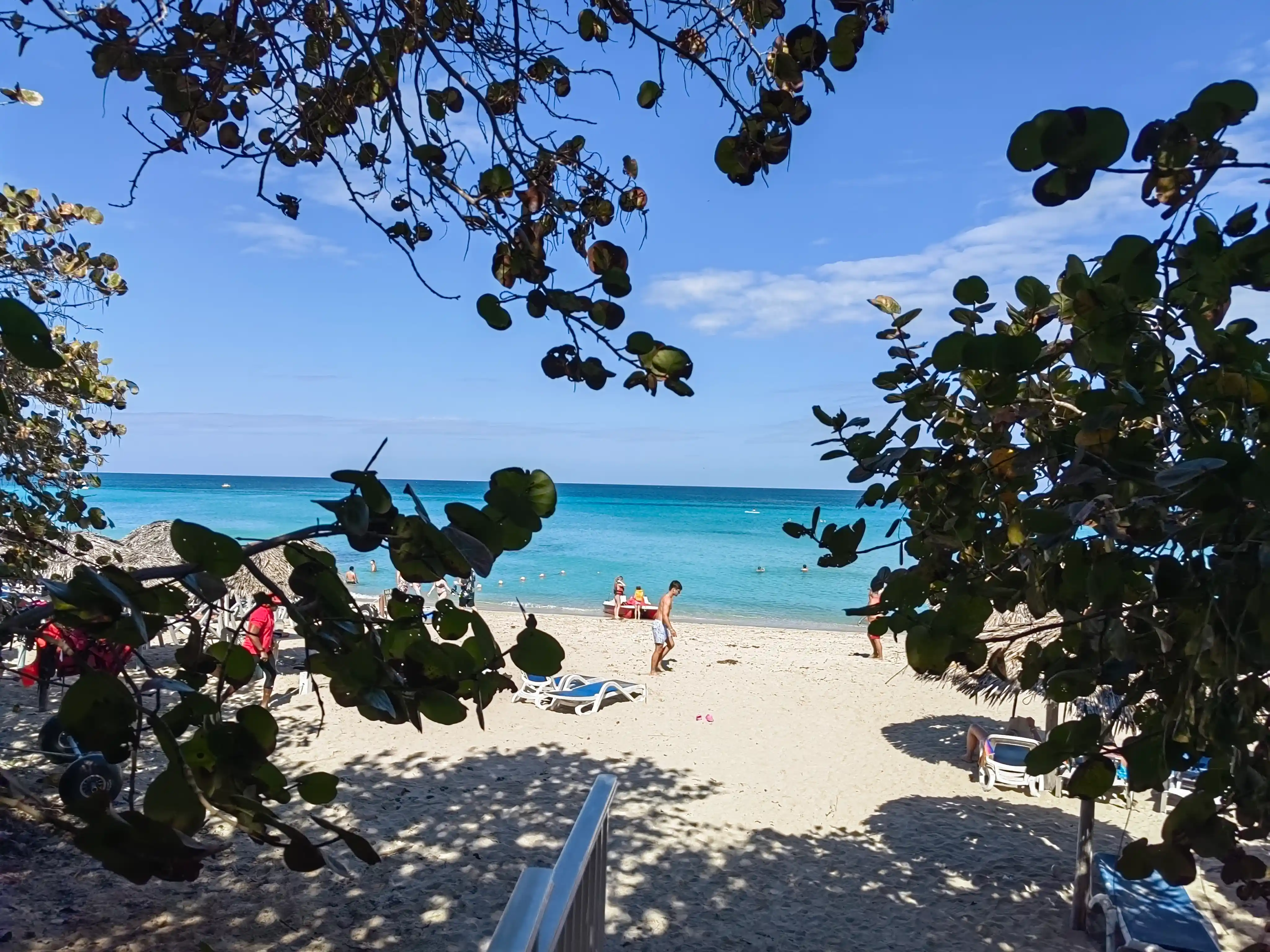
Beach framed by tropical tree - Sirenis Tropical Varadero

002.webp — Sirenis Tropical Varadero Beach
This stunning beach view was captured at Hotel Sirenis Tropical Varadero, a popular all-inclusive resort located on the finest stretch of Varadero's coastline. The tropical tree branches framing the scene are typical of the resort's lush gardens. Guests relax on lounge chairs facing the calm, warm waters of the Caribbean. The hotel is known for its authentic Cuban hospitality, multiple pools, and direct access to this pristine white-sand beach, where the turquoise sea gently meets the shore.

002 · Varadero · Sirenis Tropical · Framed BeachView original →
Beach shoreline from low angle - 002-1

002-1.jpg — A low-angle shot of the Varadero shoreline, with gentle waves washing over fine white sand. The foreground features small pebbles and a piece of coral, while the horizon shows a line of tourist resorts partially hidden by palm groves. The water transitions from pale aqua to deeper blue.

002-1 · Varadero · Beach DetailView original →
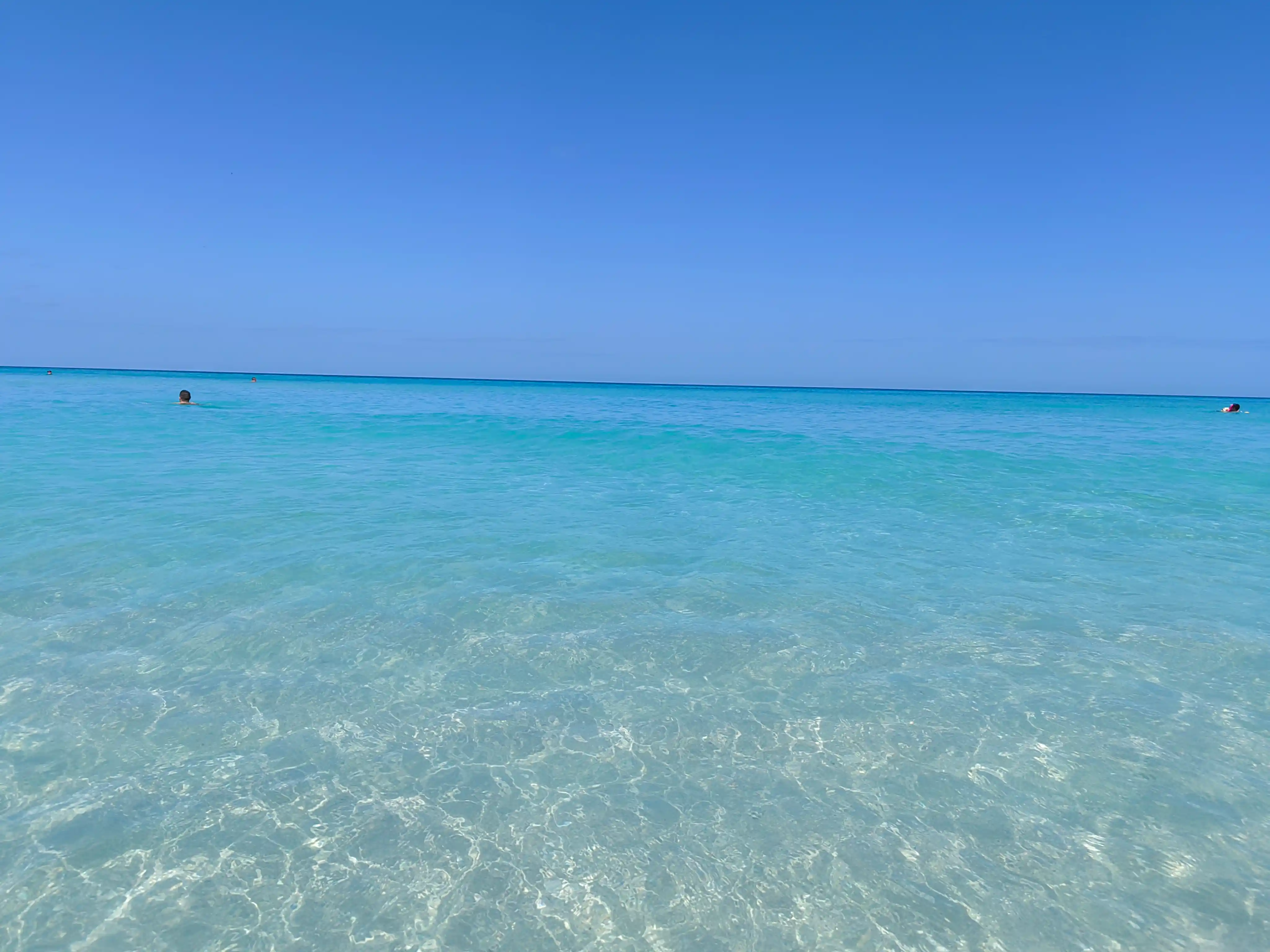
Shallow crystalline water - Sirenis Tropical Varadero

003.webp — Crystal Waters of Sirenis Tropical
This ultra-clear shallow water scene was taken directly in front of Hotel Sirenis Tropical Varadero. The resort boasts one of the most transparent sections of Varadero's coastline, where the sandy bottom is visible even at chest depth. The gradients of turquoise and aquamarine are a signature of this area, protected by the nearby coral reefs. Two distant swimmers give scale to the incredible water clarity, making it a paradise for snorkelers and swimmers seeking the pure Caribbean experience.

003 · Varadero · Sirenis Tropical · Water ClarityView original →
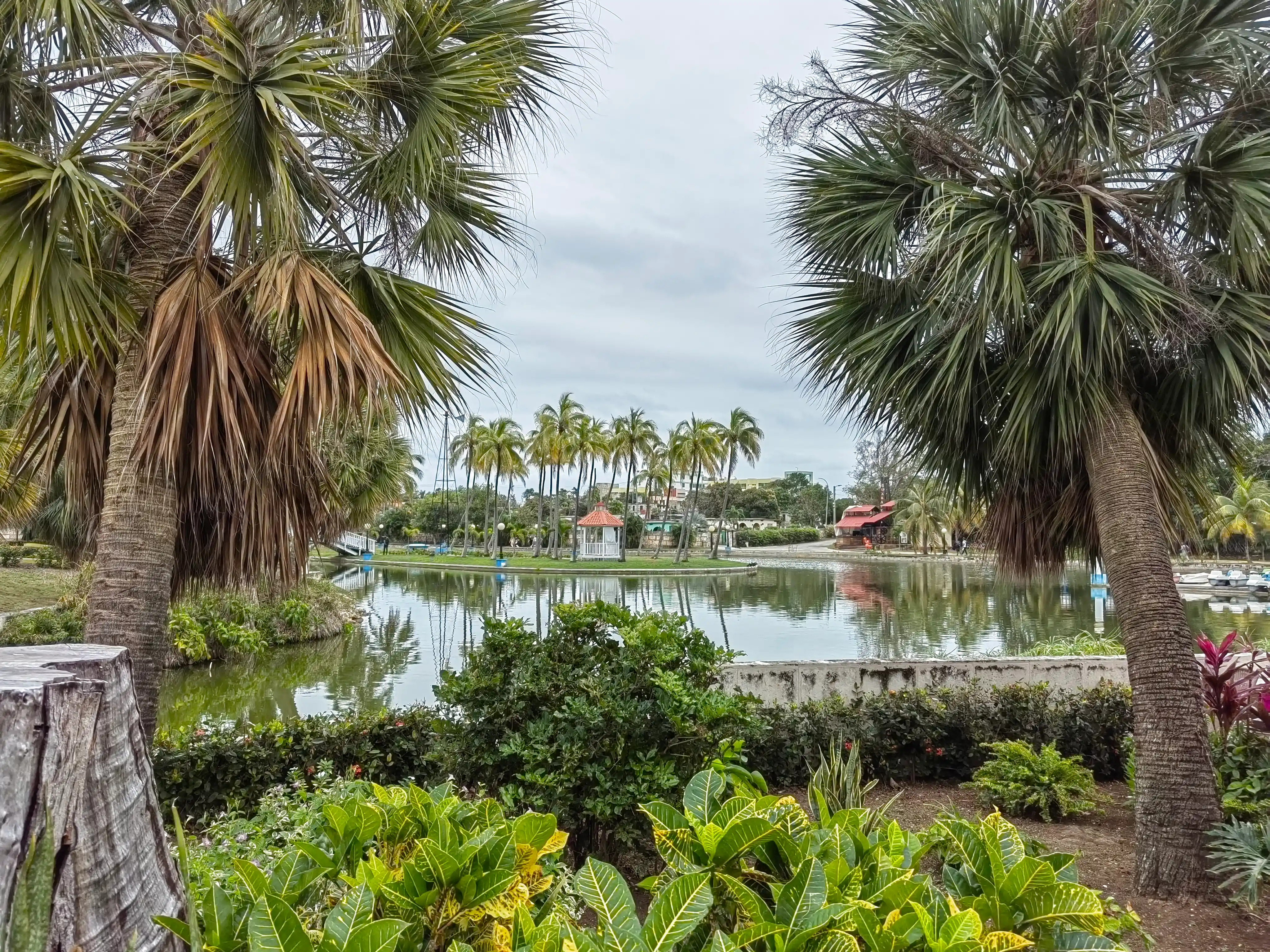
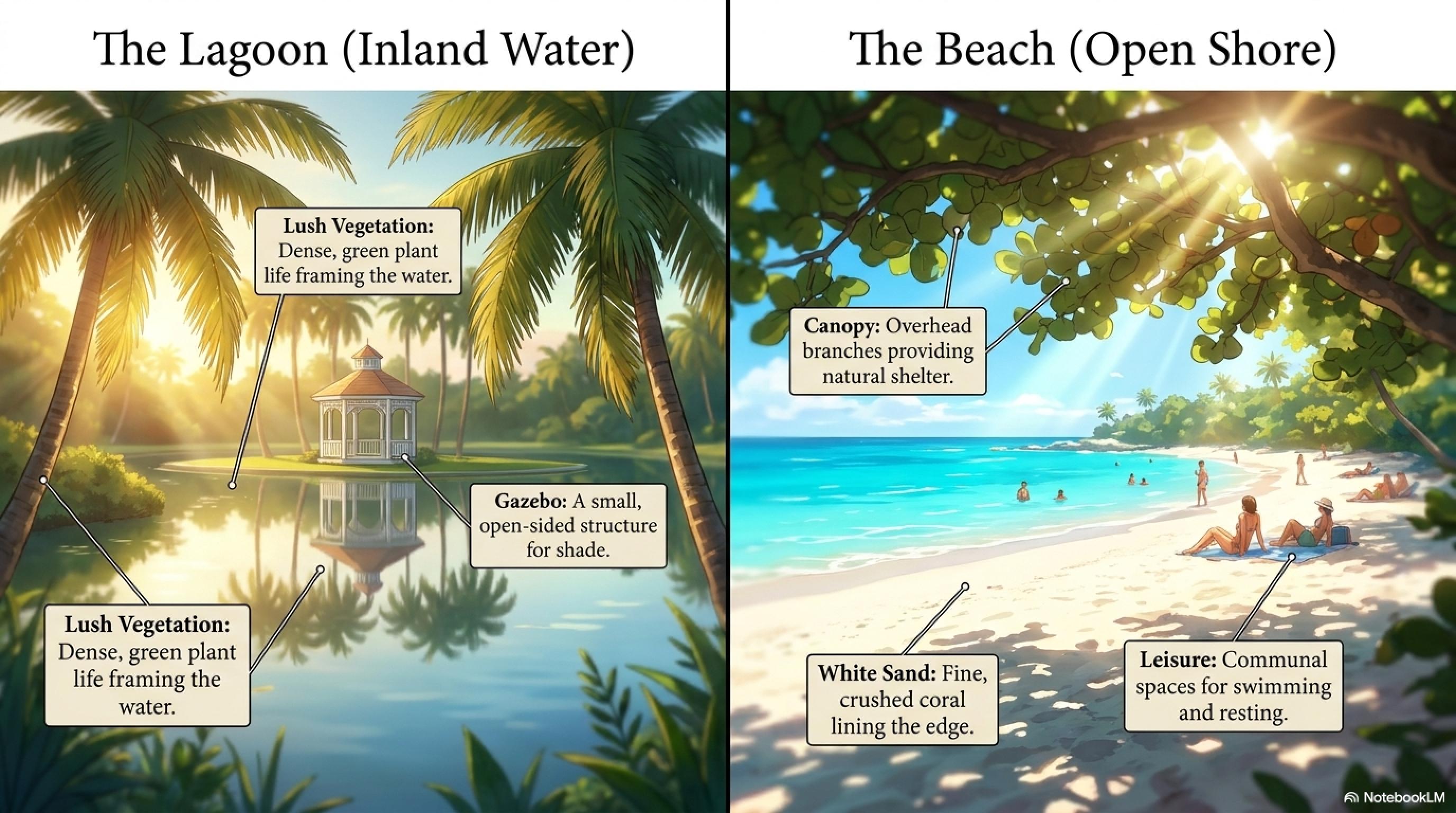
Lagoon with gazebo and palms - Varadero Central Park

004.webp — Varadero Central Park (Parque Central de Varadero)
This serene lagoon with a white gazebo and red roof is located in the heart of Varadero's Central Park, a lush green oasis just steps from the main boulevard. The park is a beloved gathering spot for both locals and tourists, featuring shaded benches, tropical palms, and colorful flowering shrubs. The gazebo often hosts small musical performances and weekend dances. Surrounded by pastel colonial-style buildings and cozy cafés, this hidden garden paradise offers a quiet escape from the busy beachfront.

004 · Varadero Central Park · Lagoon & GazeboView original →
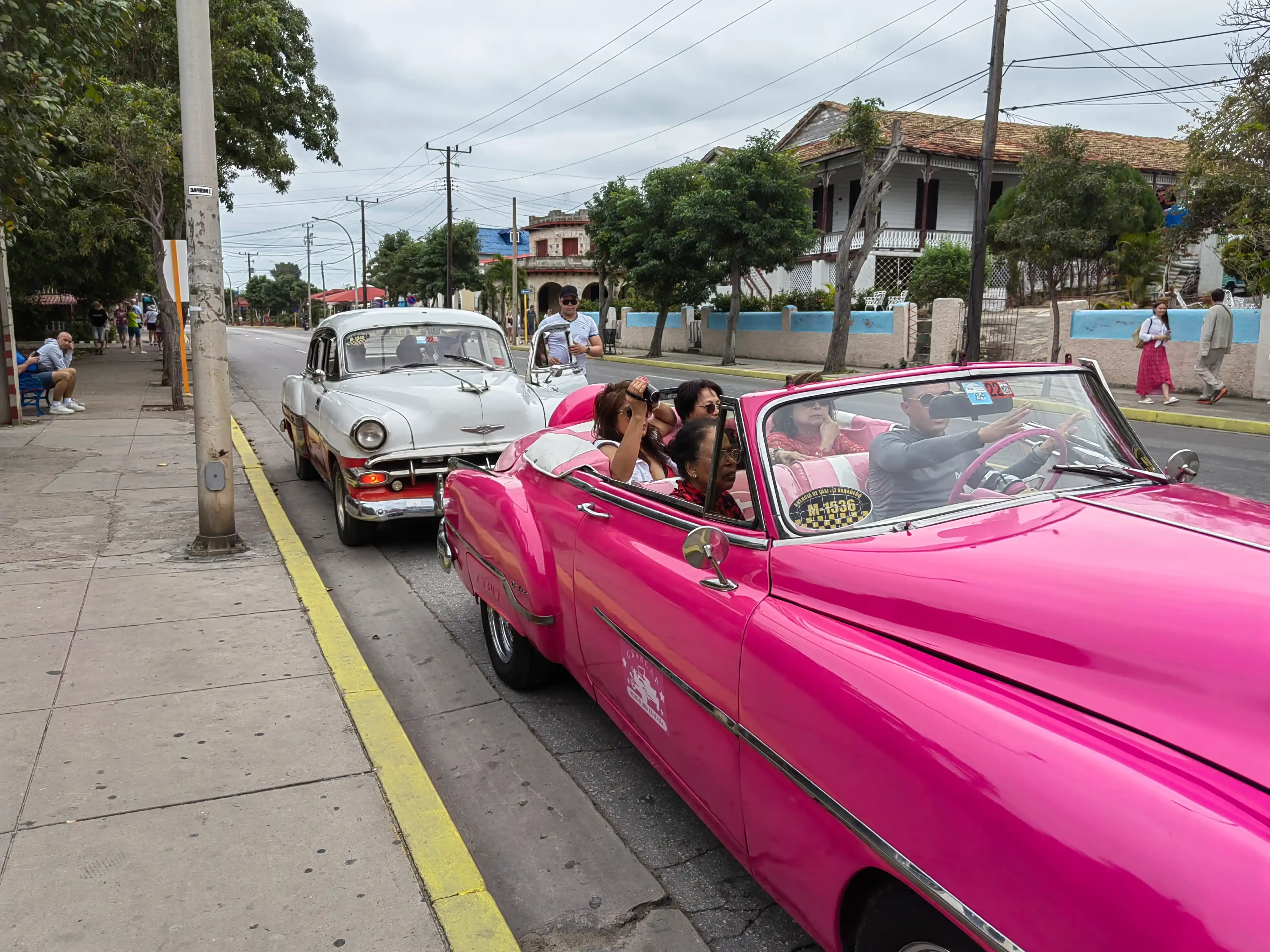
Pink convertible with tourists - Varadero

005.webp — Vintage Cars in Varadero
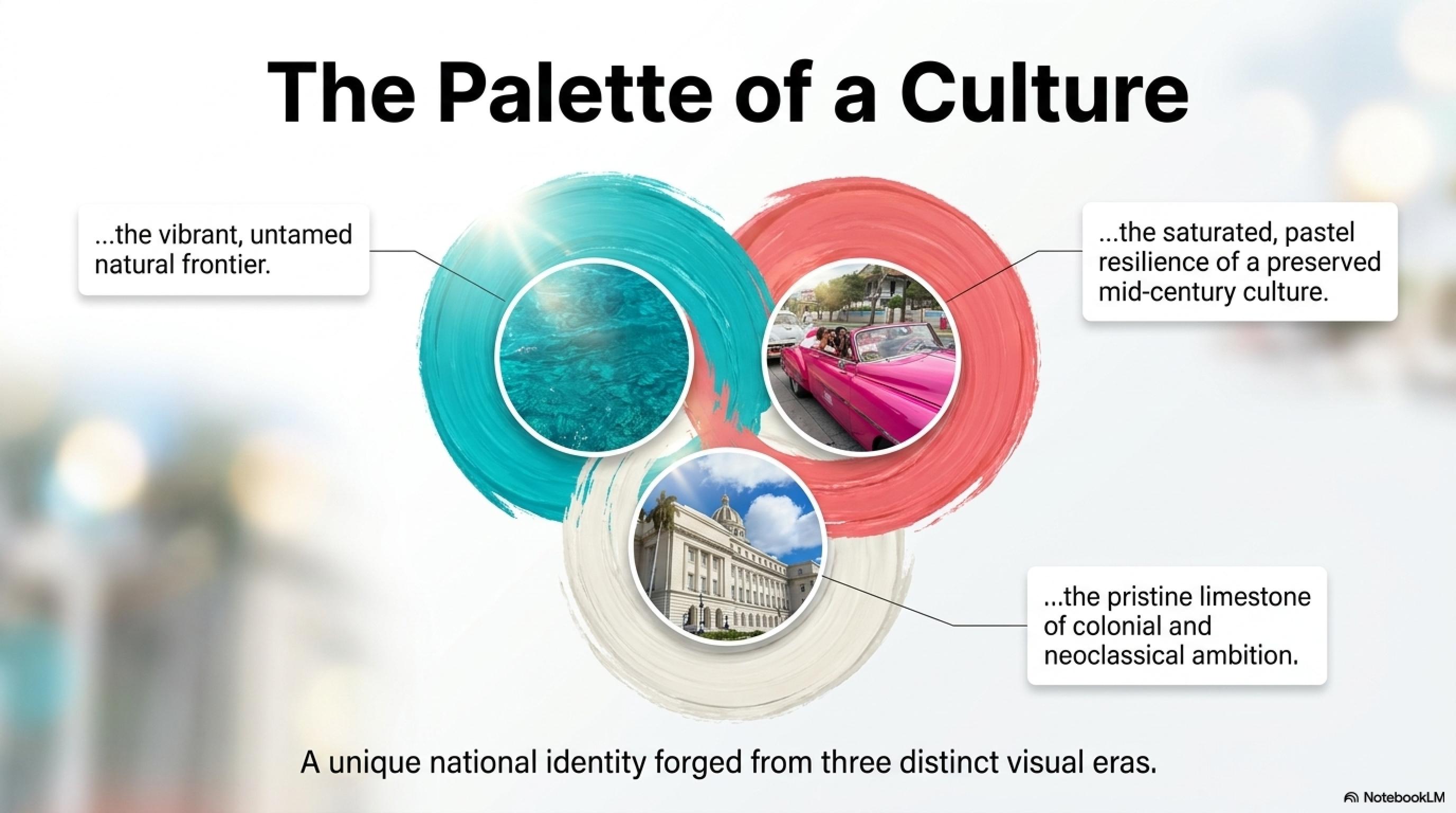
This bright pink open-top classic car loaded with tourists was photographed on a residential street in Varadero, not far from the beach strip. A second white vintage car follows behind. While Varadero is best known for its resorts and turquoise waters, the town itself still preserves the classic Cuban automobile culture. Passersby and traditional wooden shutters frame this living museum of Cuban mobility, proving that vintage car sightings are not limited to Havana — they thrive all over the island, including this beach paradise.

005 · Varadero · Pink Convertible & Vintage CultureView original →
Classic car rear view - 005-1

005-1.jpg — Rear quarter view of a turquoise 1950s Chevrolet, tailfins gleaming under sunlight. Parked along a narrow street lined with pastel houses, a Cuban flag hangs from a balcony. Timeless automobile elegance, captured in Varadero.

005-1 · Varadero · Vintage Car DetailView original →
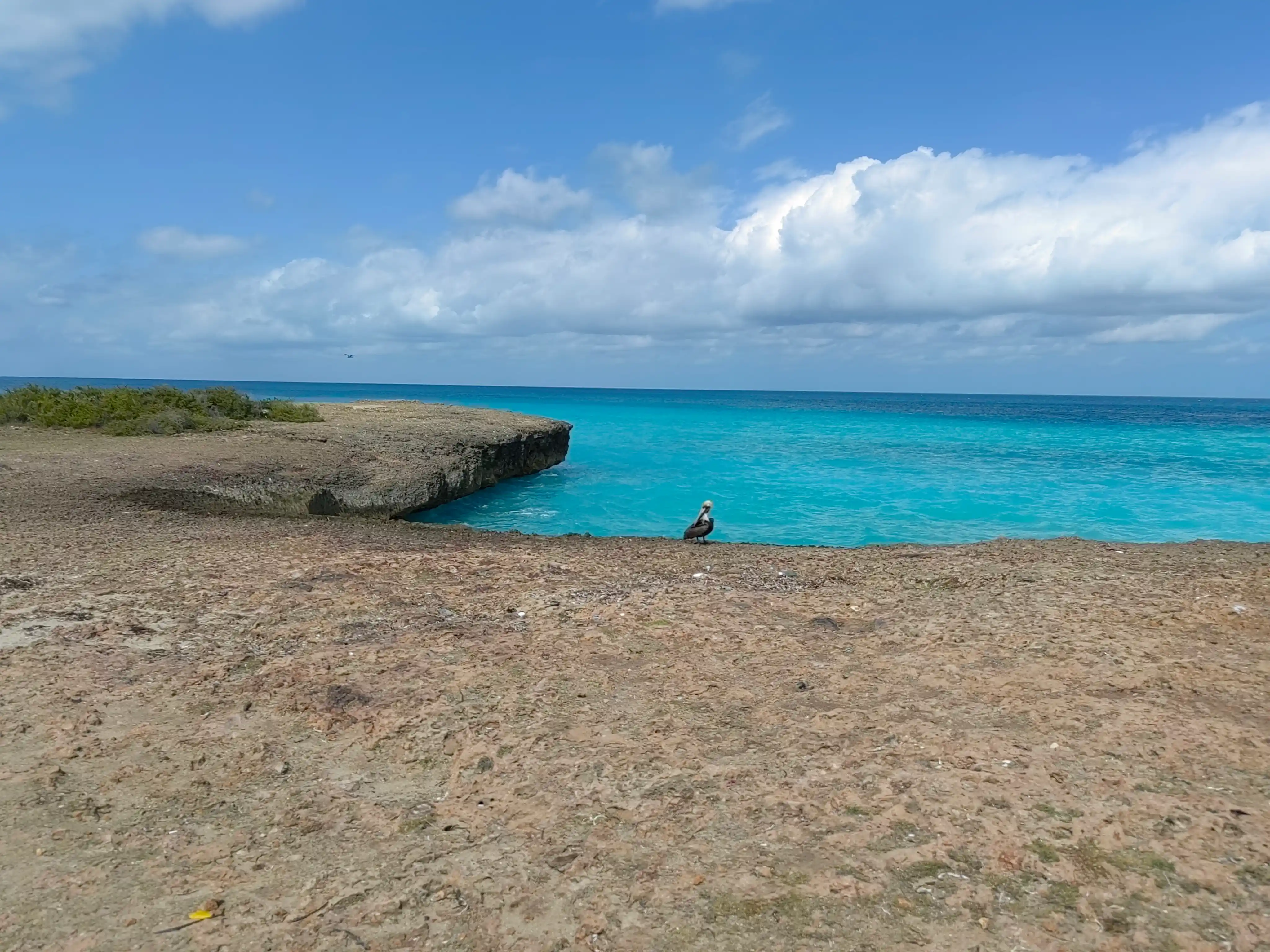
Pelican on rock - Sirenis Tropical Varadero coastline

006.webp — Pelican at Sirenis Tropical Rocky Shore
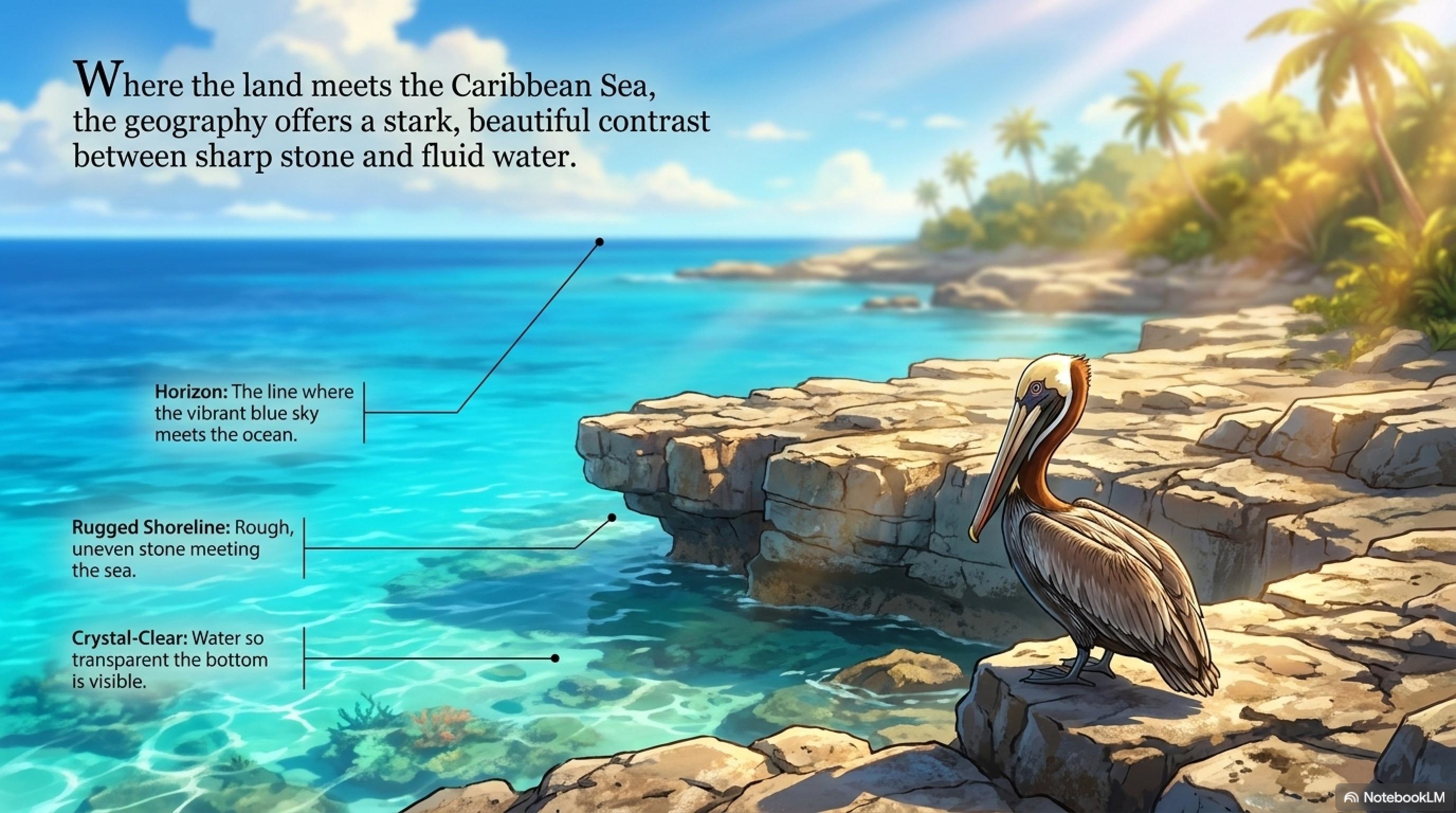
This brown pelican was photographed along the rocky outcrop that borders the eastern edge of Hotel Sirenis Tropical Varadero's beachfront. The resort is situated near a natural limestone formation where pelicans and other seabirds often rest between fishing flights. The deep turquoise water crashing against the ancient coral rock creates a dramatic contrast — a wild, untamed corner just steps from the lounge chairs.

006 · Varadero · Sirenis Tropical · Pelican & WildernessView original →
Rocky shore with crashing wave - Sirenis Tropical coastline

006-1.jpg — Sirenis Tropical Rocky Coastline
Another view of the rugged limestone shoreline adjacent to Hotel Sirenis Tropical Varadero. A small wave splashes against dark rocks, while the turquoise water foams white around jagged ancient coral formations. This untouched stretch of coast contrasts beautifully with the smooth sandy beach just a few meters away, offering a glimpse of Cuba's untamed marine beauty.

006-1 · Varadero · Sirenis Tropical · Rocky CoastView original →
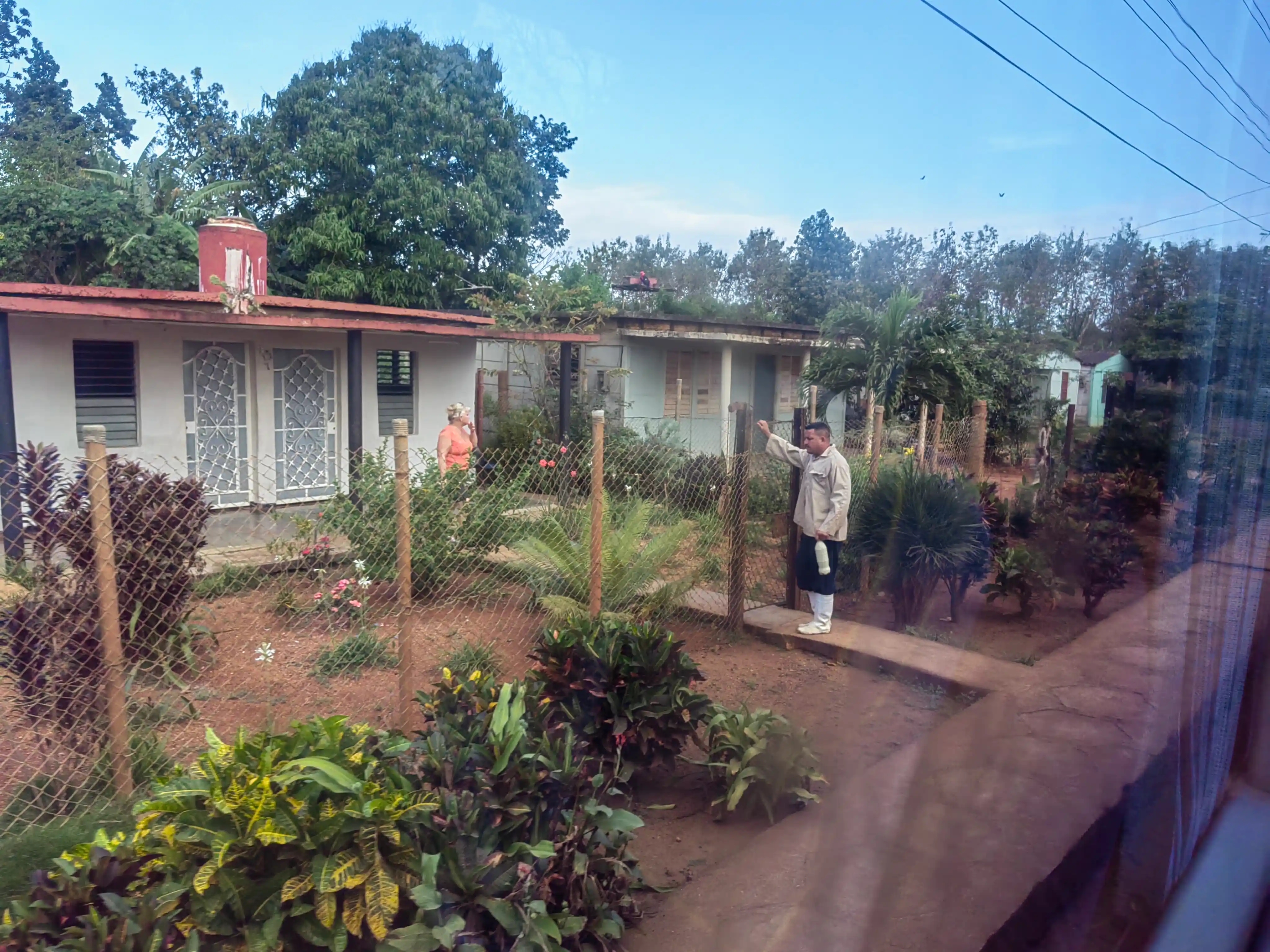
Man waving from yard - wearing white rubber boots (botas de goma)

007.webp — Cuban Countryside Hospitality & White Rubber Boots
Taken from a moving car, a man in a light shirt waves warmly at the camera while a woman stands near the porch entrance. Notice the man's white rubber boots (botas de goma) — a distinctive and practical footwear choice deeply rooted in Cuban rural life. These boots are essential for farmers, tobacco workers, and anyone working in muddy fields, wetlands, or during the rainy season. The white color helps keep feet cooler under the intense Caribbean sun. Often associated with vaqueros (cowboys) and agricultural workers, rubber boots symbolize the hardworking spirit of Cuba's countryside. They protect against mud, water, and even snakes, making them ubiquitous from the tobacco fields of Pinar del Río to the sugarcane plantations of the east. The simple fence, tropical shrubs, and genuine smile capture authentic Cuban hospitality in rural life.

007 · Cuban Countryside · White Rubber Boots (Botas de Goma) & HospitalityView original →
Rural house with dog - 007-1

007-1.jpg — Another angle of a countryside home: red roof, iron grilles, and a small brown dog lying near the fence. A woman tends to potted plants. Authentic rural daily life.

007-1 · Countryside HomeView original →
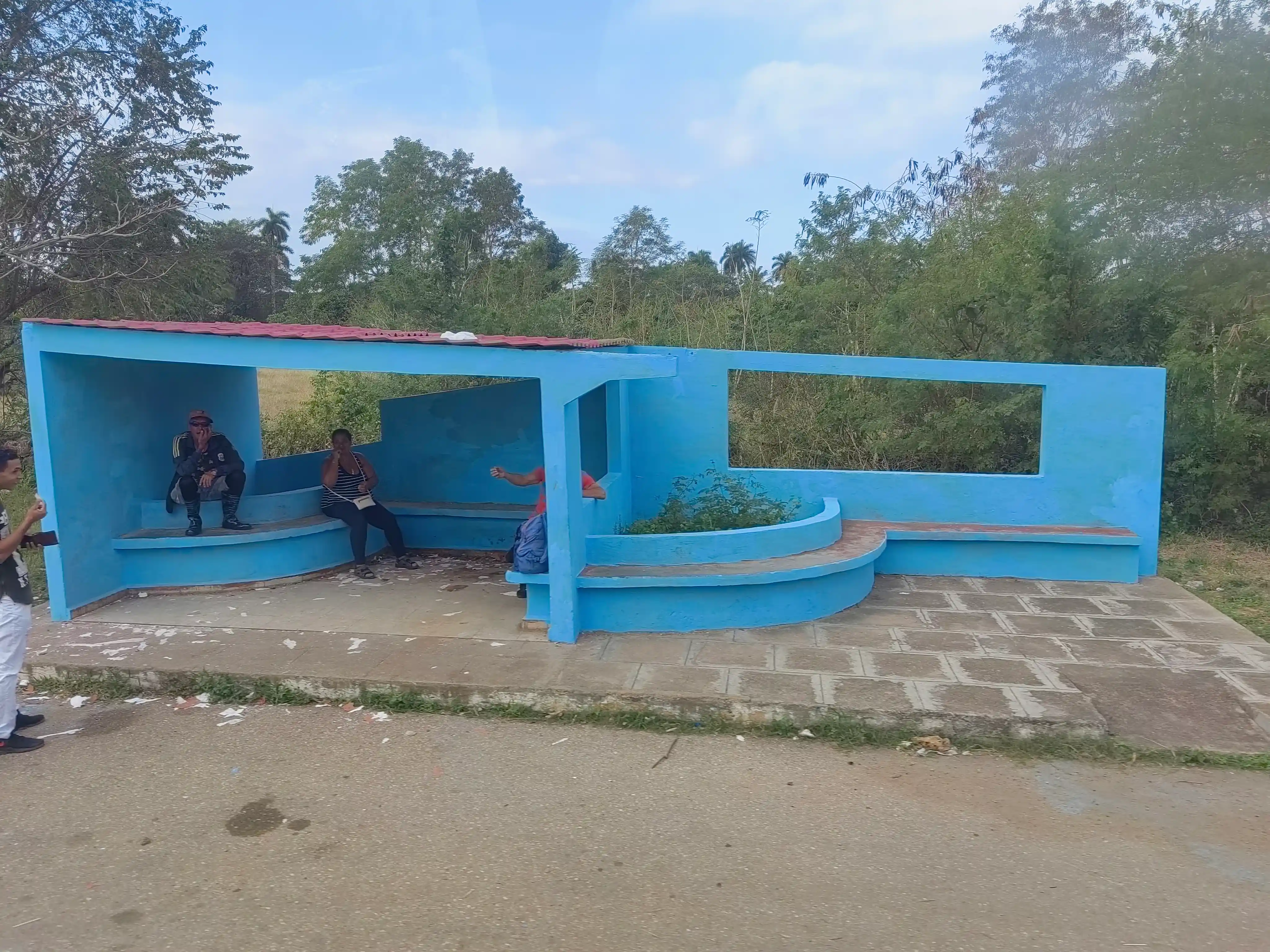
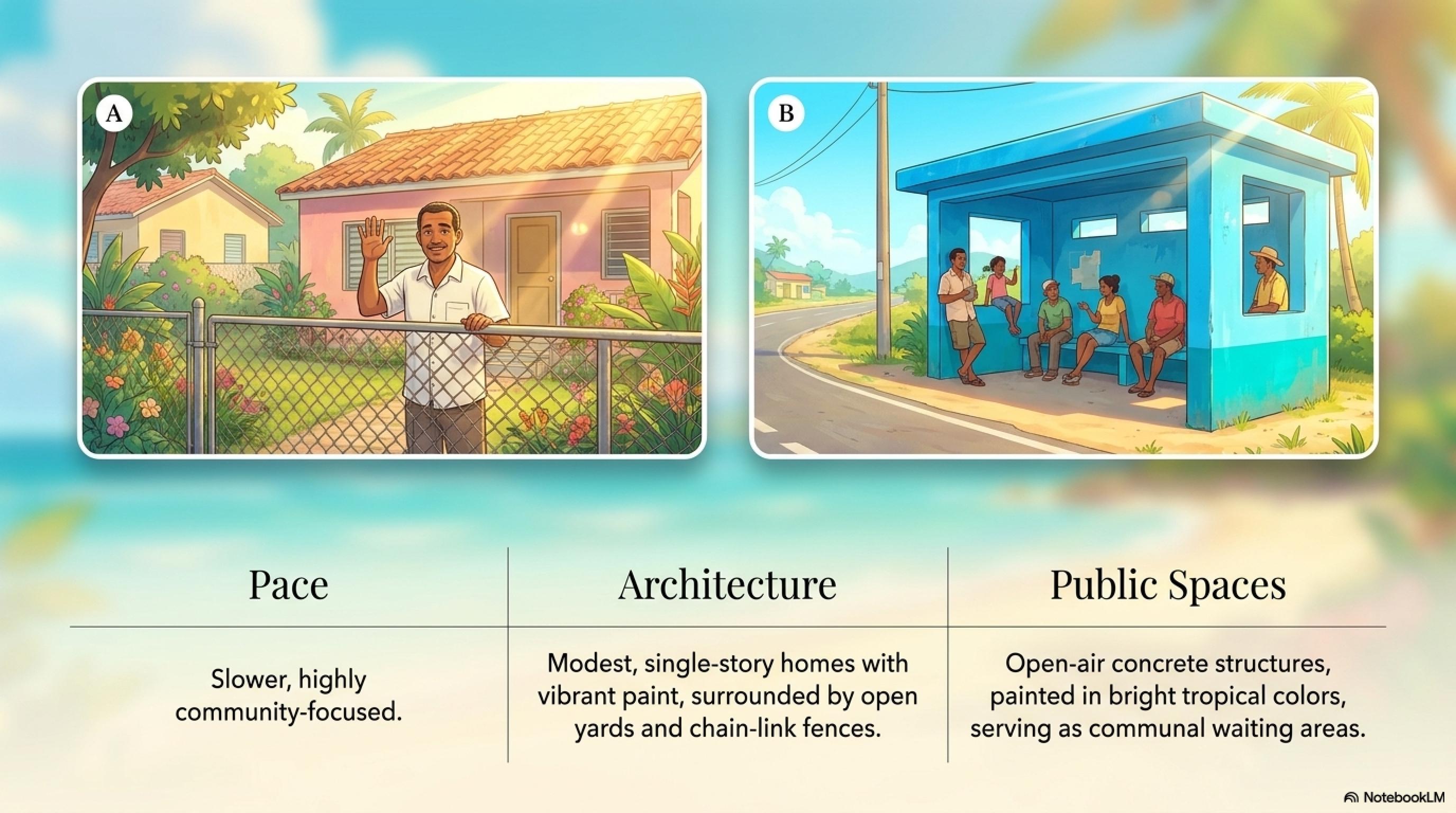
Blue bus shelter wide - 008

008.webp — Wider composition of the geometric blue shelter along a rural highway. Several people resting inside, surrounded by green vegetation and gray asphalt. Striking modernism meets vernacular.

008 · Roadside ArchitectureView original →
Blue shelter close-up - 008-1

008-1.jpg — Close-up of the vivid blue concrete bus shelter. Tiled floor, curved benches, and a man in uniform sitting beside an elderly woman. Litter and tropical light create a raw roadside atmosphere.

008-1 · Shelter DetailView original →
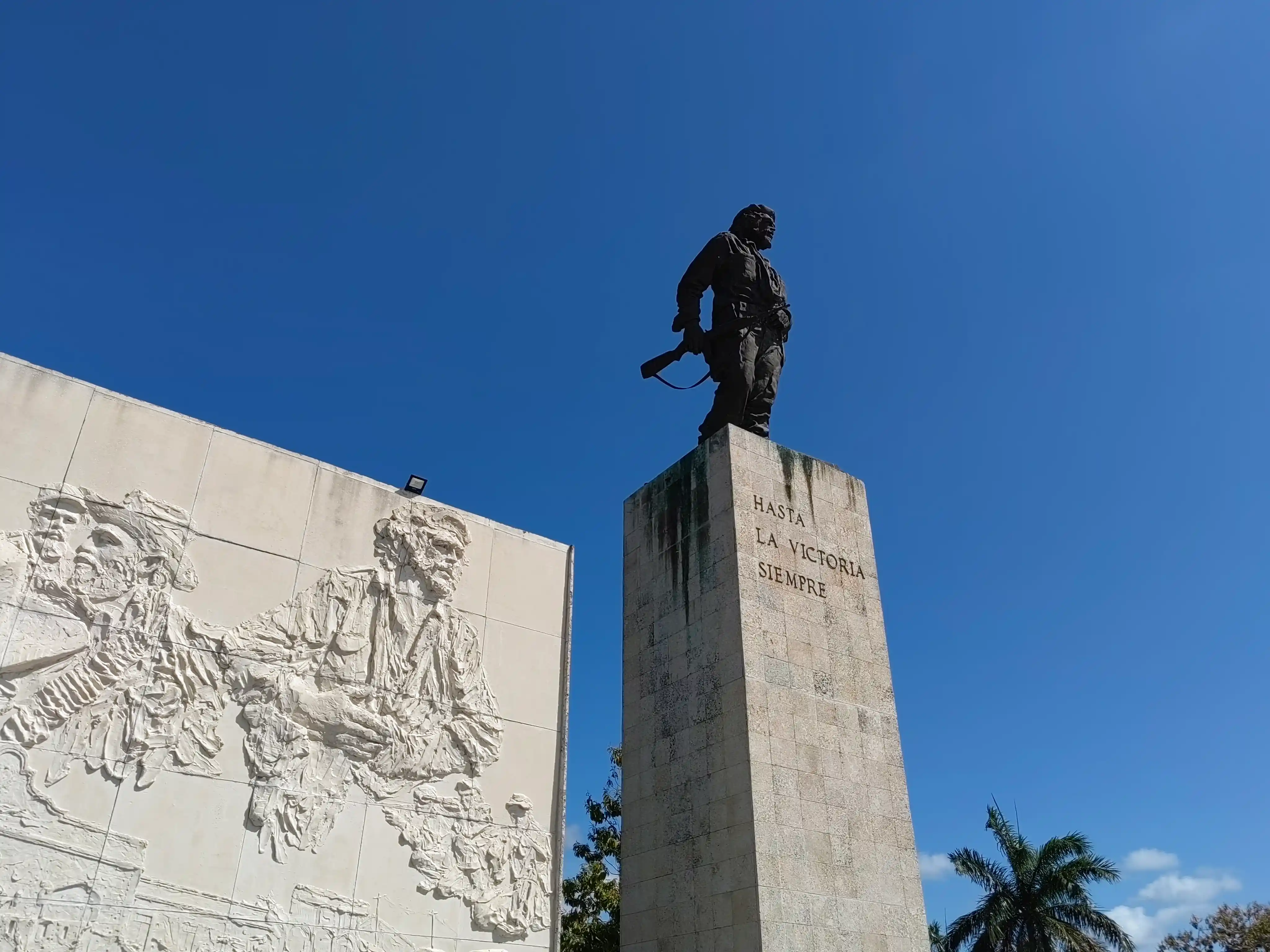
Che monument wide - 009

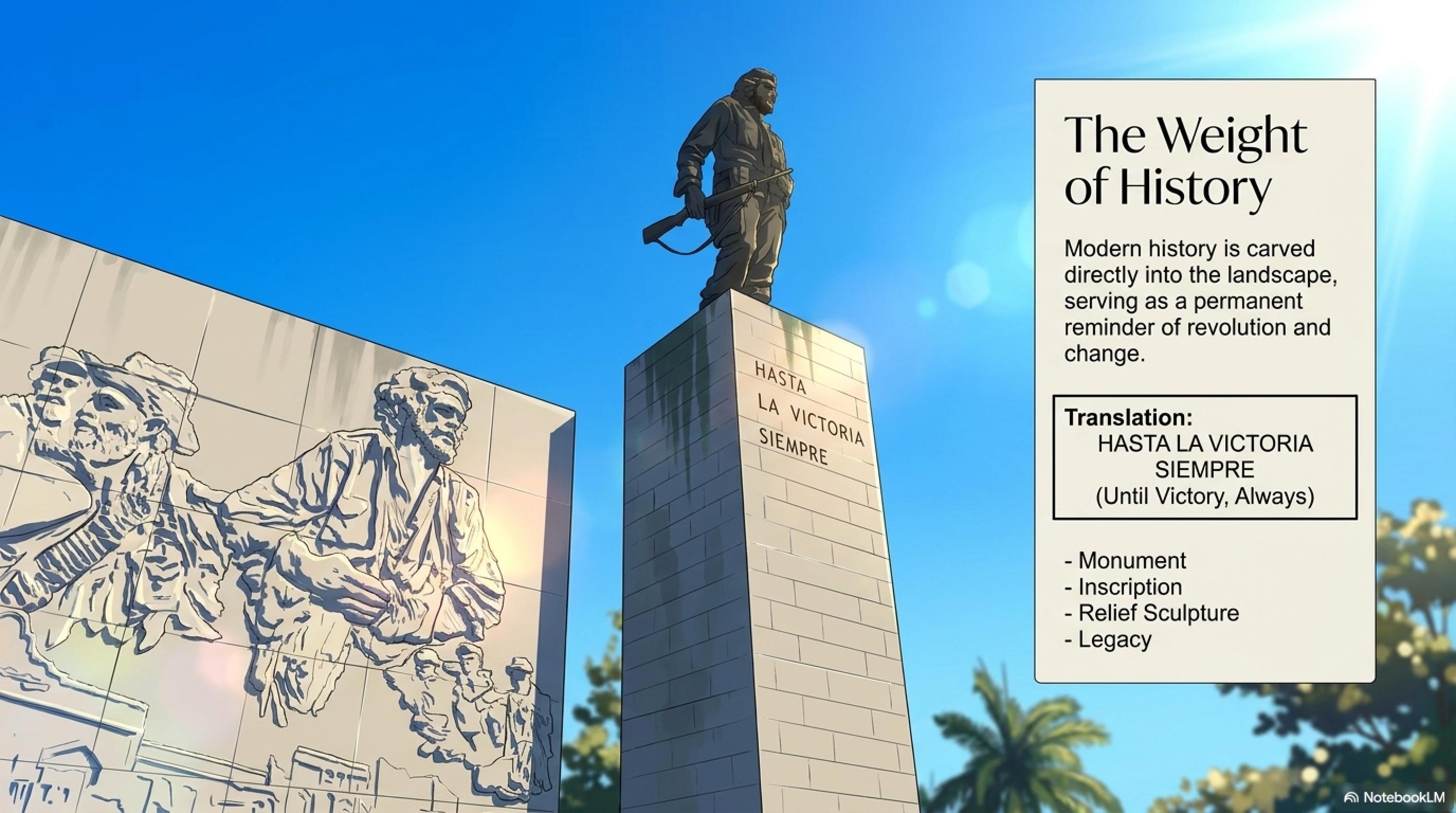
009.webp — Full view of Santa Clara's Che Guevara monument: slender stone tower with bronze statue, massive concrete relief wall, and a palm tree anchoring the tropical site. Historical gravity.

009 · Santa Clara · Complete MemorialView original →
Che Guevara relief close-up - 009-1

009-1.jpg — Close-up of the concrete relief mural at Santa Clara's Che Guevara memorial. Che's determined expression alongside revolutionary comrades. The words "HASTA LA VICTORIA SIEMPRE" carved below.

009-1 · Santa Clara · Revolutionary MuralView original →
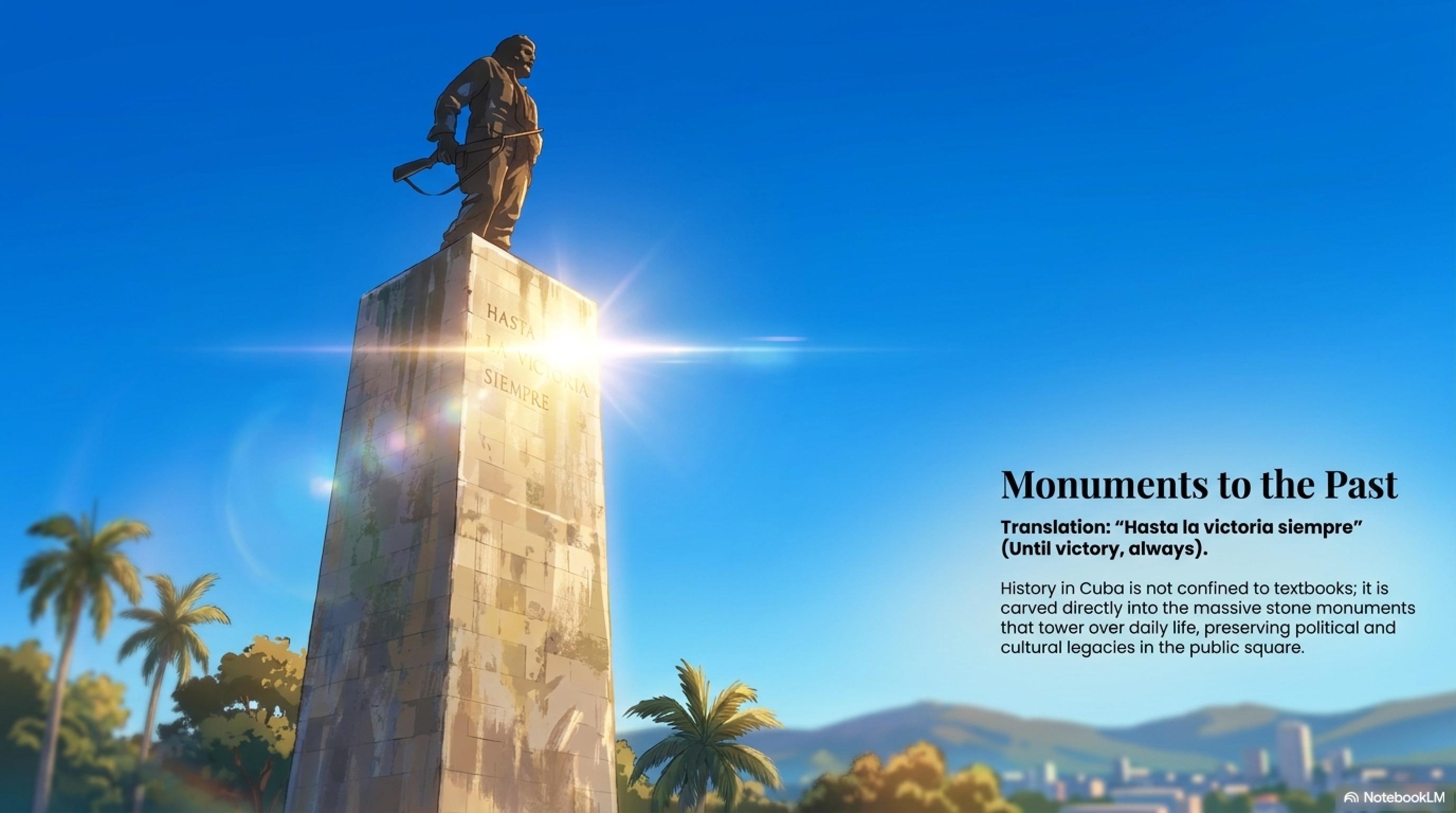
Che monument from below - 009-2

009-2.jpg — Looking up at the bronze statue of Che Guevara atop the tall stone tower, rifle in hand. Palm fronds creep into the frame, blending tropical nature with revolutionary iconography.

009-2 · Santa Clara · Tower & StatueView original →
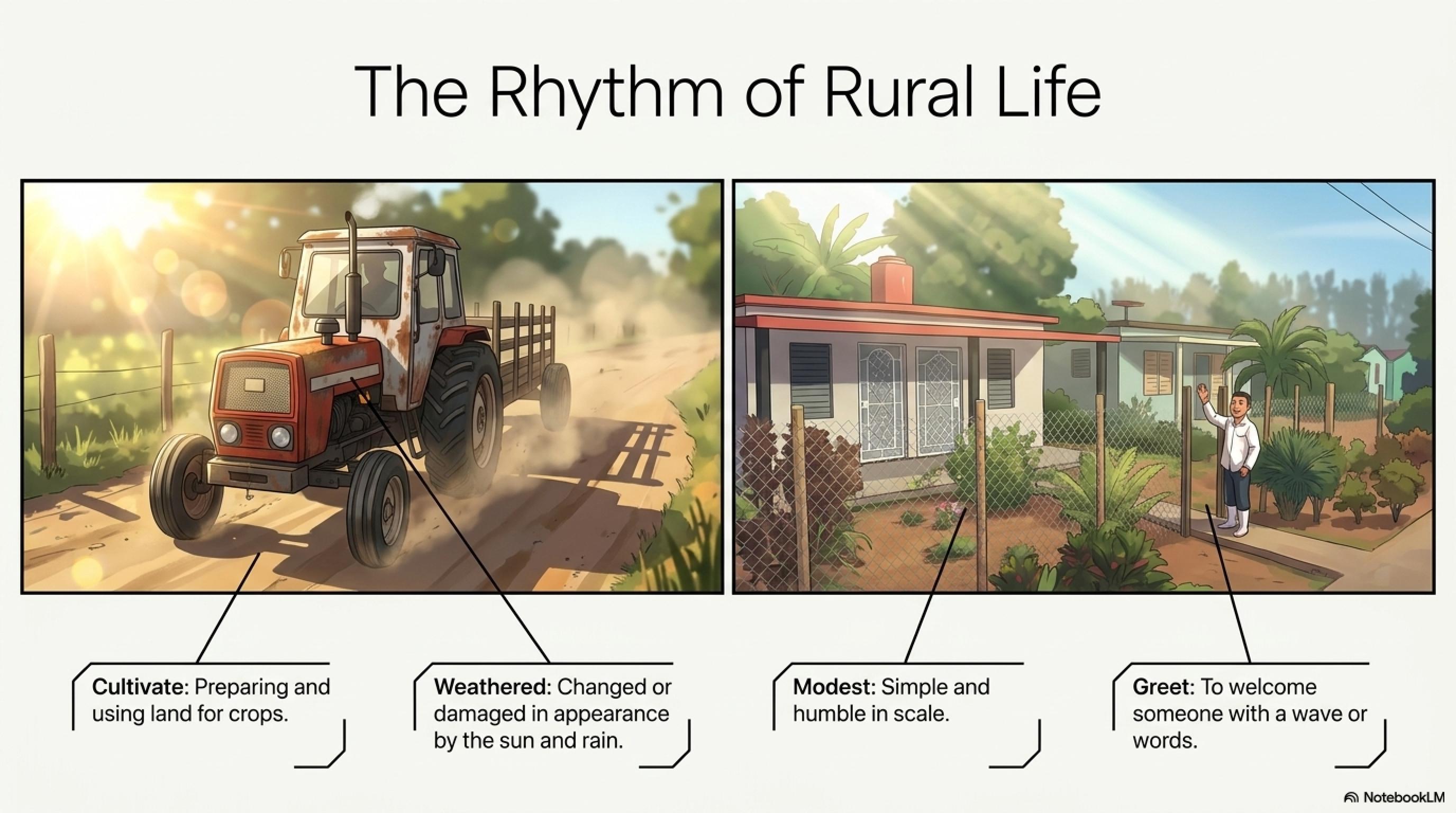
Farm tractor on dirt road - 010

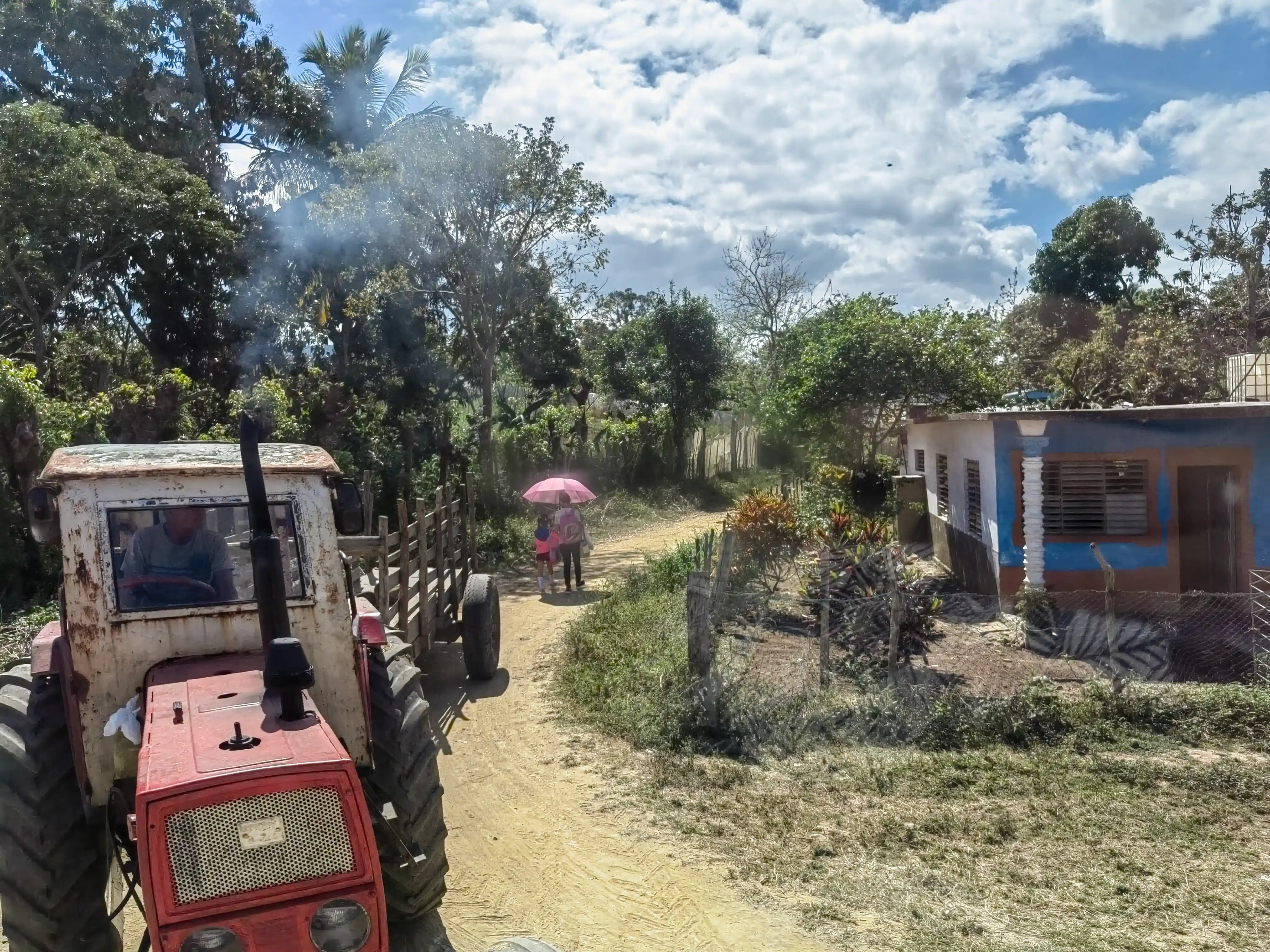
010.webp — Weathered red-and-white tractor moving slowly on a dusty rural road. A woman with a pink umbrella walks with a child. Blue-and-white house behind fence — agricultural rhythm of Cuba.

010 · Rural TractorView original →
Plaza with pink flowers - Trinidad

011.webp — Plaza Mayor, Trinidad (UNESCO World Heritage)
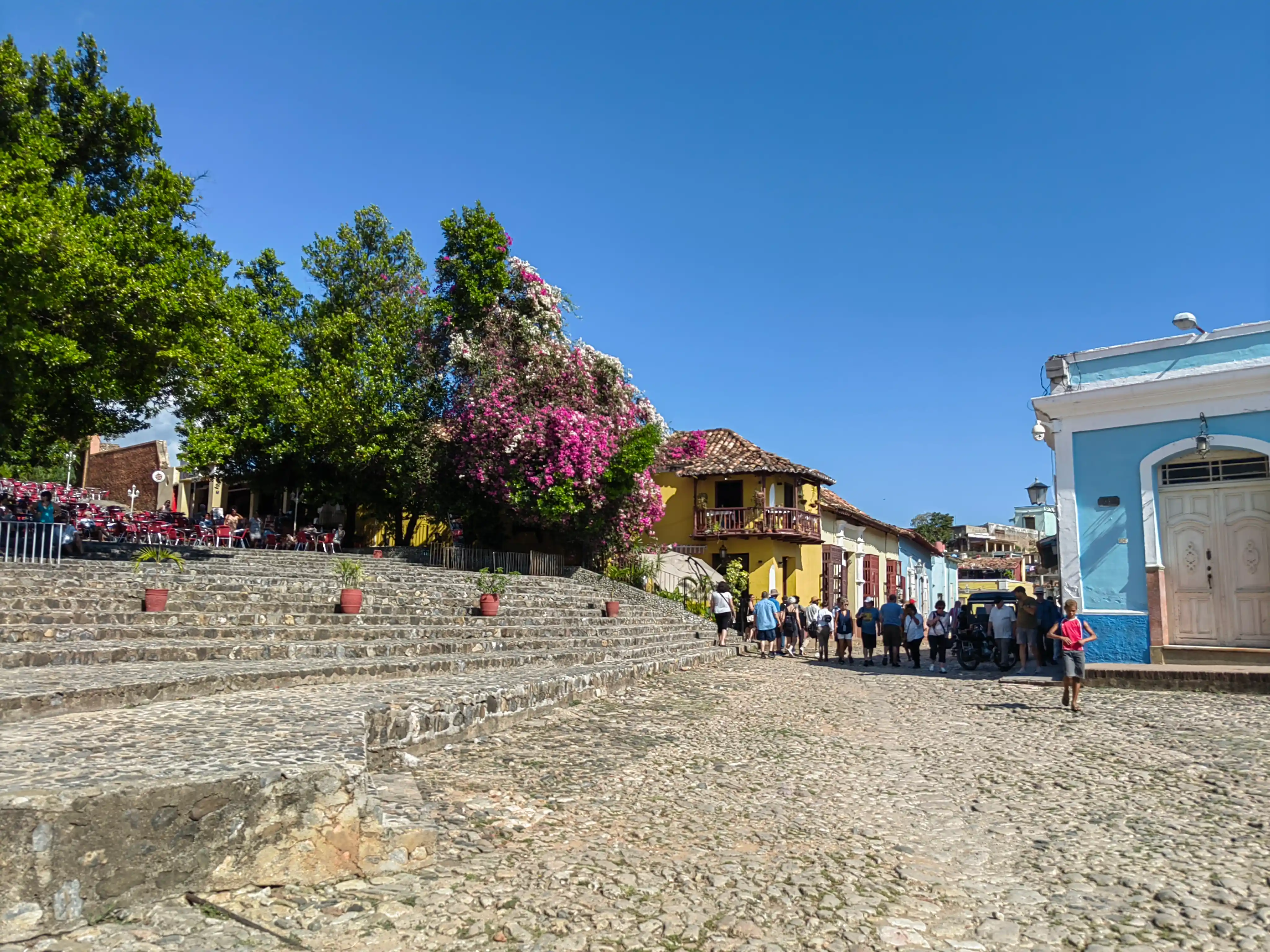
This cobblestone square with a large tree bursting with bright pink bougainvillea is the heart of Trinidad, one of Cuba's best-preserved colonial cities. Founded in 1514, Trinidad is a UNESCO World Heritage site, famous for its cobblestone streets, pastel-colored mansions, and timeless atmosphere. The light blue colonial building with white trim is typical of the city's architecture. The vibrant bougainvillea — a signature of Trinidad — frames the scene as groups of tourists take in the historic charm. The town was once a wealthy sugar-trade hub, and its central plaza remains frozen in the 19th century.

011 · Trinidad · Plaza Mayor · Colonial BougainvilleaView original →
Cobblestone stairs with bougainvillea - Trinidad

011-1.jpg — Trinidad's Cobblestone Charm
A wider view of the cobblestone plaza in Trinidad, with dramatic pink bougainvillea covering an old wall. Tourists climb the stone steps, passing a pastel colonial building on the right. The warm, sun-drenched square reflects Trinidad's unique blend of Spanish colonial architecture and lush tropical vegetation. Every corner of this UNESCO World Heritage city offers postcard-perfect views, making it one of Cuba's most photographed destinations.

011-1 · Trinidad · Bougainvillea PlazaView original →
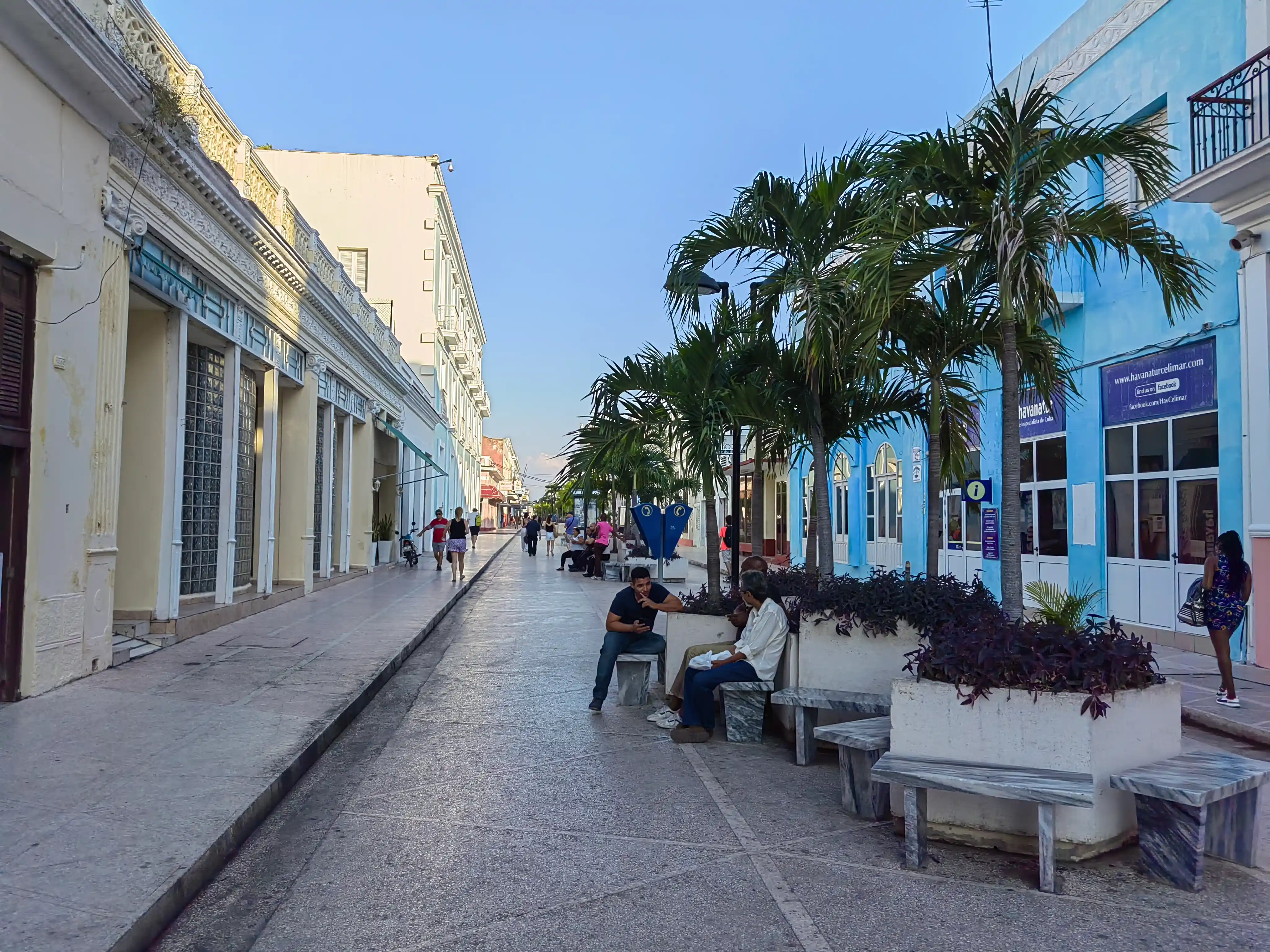
Pedestrian boulevard with palms - Paseo del Prado, Cienfuegos

012.webp — Paseo del Prado, Cienfuegos (The Pearl of the South)
This elegant pedestrian boulevard is the famous Paseo del Prado in Cienfuegos, a city known as "La Perla del Sur" (The Pearl of the South). Founded by French immigrants in 1819, Cienfuegos boasts a unique architectural heritage blending neoclassical, Art Deco, and colonial styles. The wide central promenade is lined with slender palm trees, wrought-iron benches, and meticulously restored buildings with arched galleries. Unlike Havana's more congested streets, Cienfuegos offers a spacious, airy elegance. The boulevard leads toward the city's historic core, a UNESCO World Heritage site, and reflects the city's nickname — refined, luminous, and distinctly Caribbean with a French touch.

012 · Cienfuegos · Paseo del Prado · UNESCO Pearl of the SouthView original →
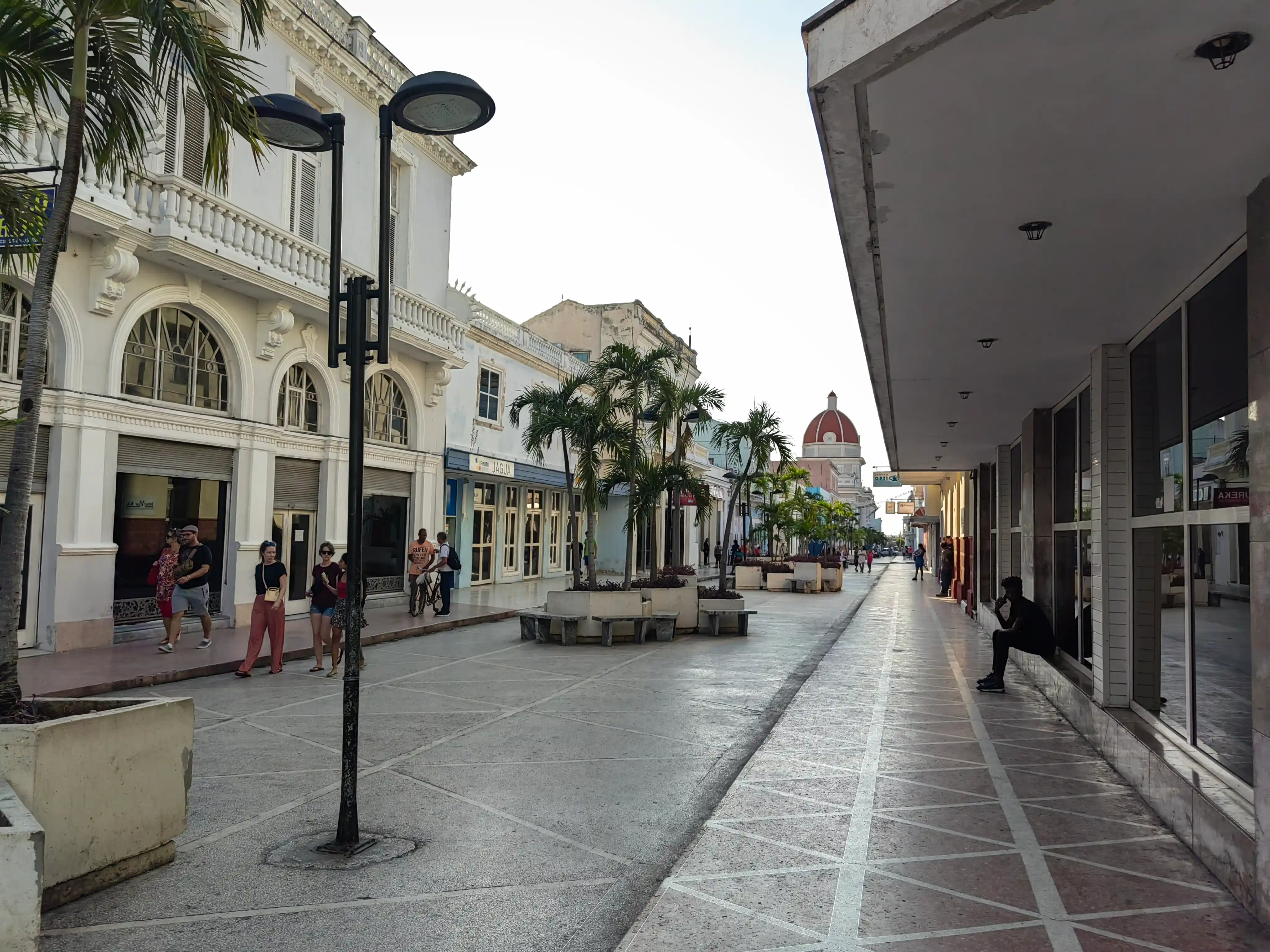
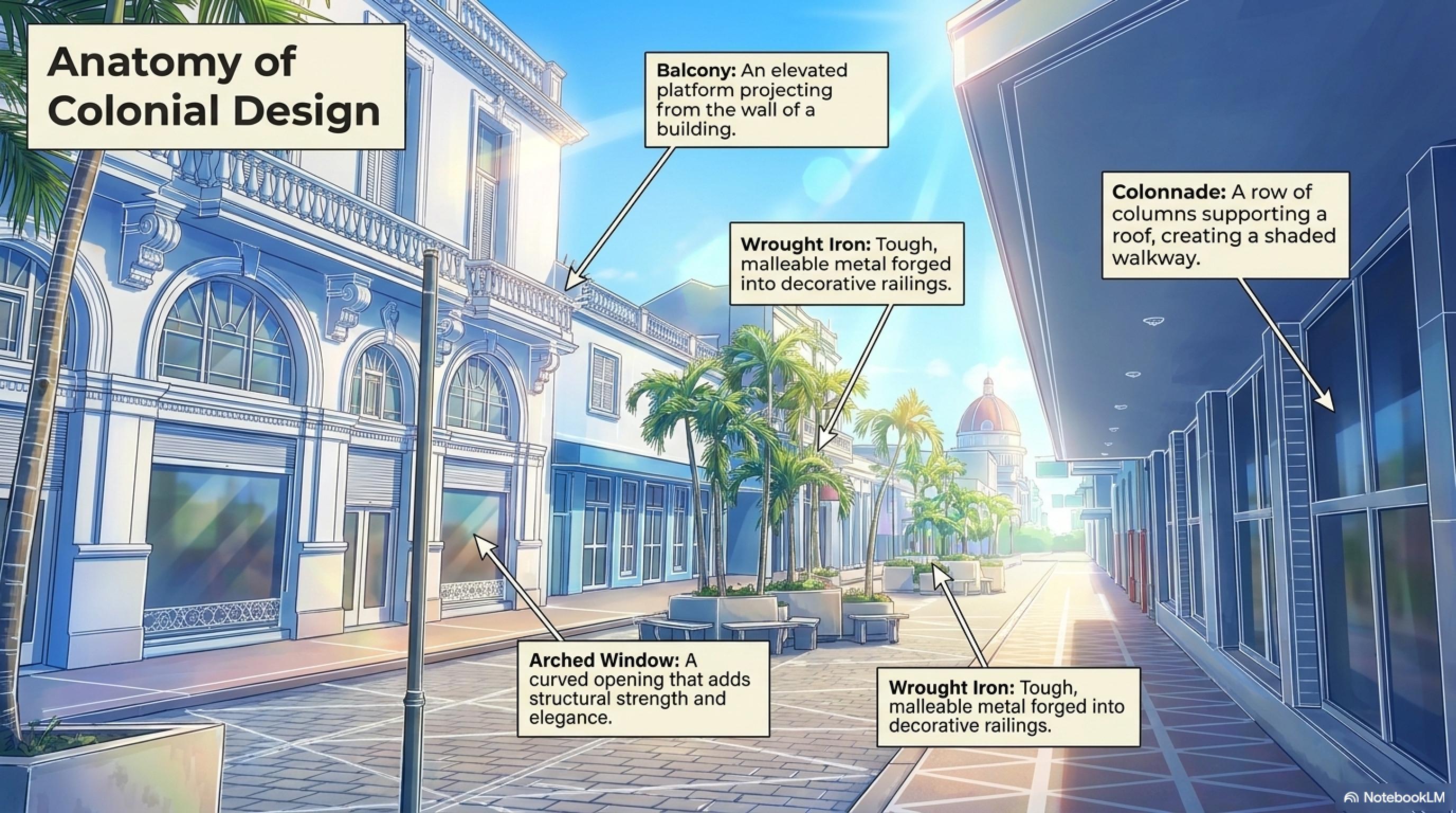
White and blue colonial street - 013

013.webp — White building with arched windows and intricate ironwork next to a light blue house. Distant dome. Clean paved walkway, quiet afternoon light.

013 · Colonial DetailsView original →
Street with dome building - 013-1

013-1.jpg — Long perspective of a colonial street ending in a large domed building with cupola. Iron balconies, pastel facades, person sitting on low ledge. Historic grandeur.

013-1 · Dome VistaView original →
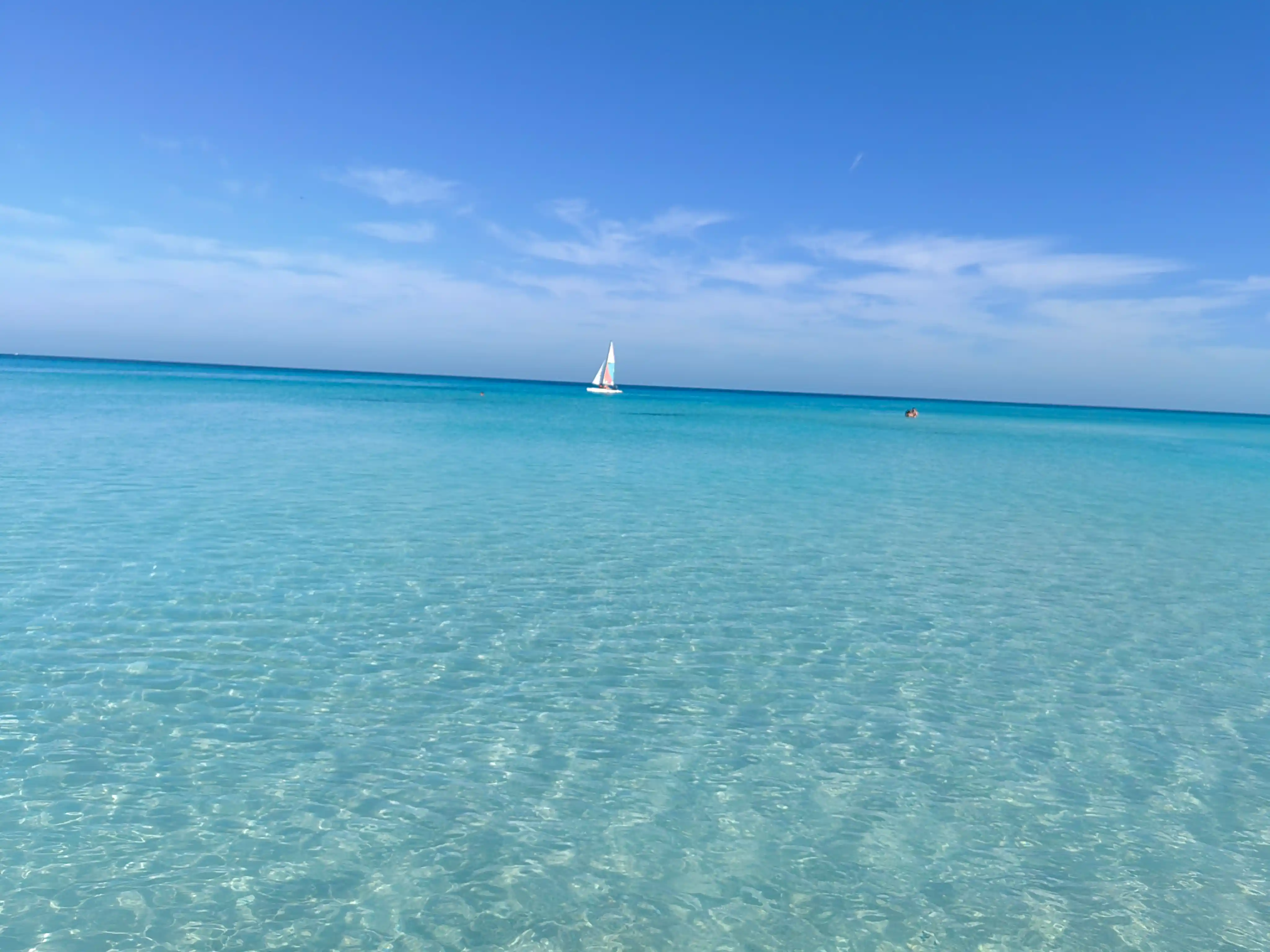
Single sailboat calm ocean - 014

014.webp — Minimalist seascape: shallow turquoise foreground, single white sailboat on the horizon. Vastness and peace captured in one frame.

014 · Solitary SailView original →
Two sailboats on turquoise sea - 014-1

014-1.jpg — Two small sailboats drifting on mirror-like turquoise water. Sandy bottom visible through crystal clarity. Infinite horizon, wispy clouds.
014-1 · Twin SailboatsView original →
Abstract water texture - 015

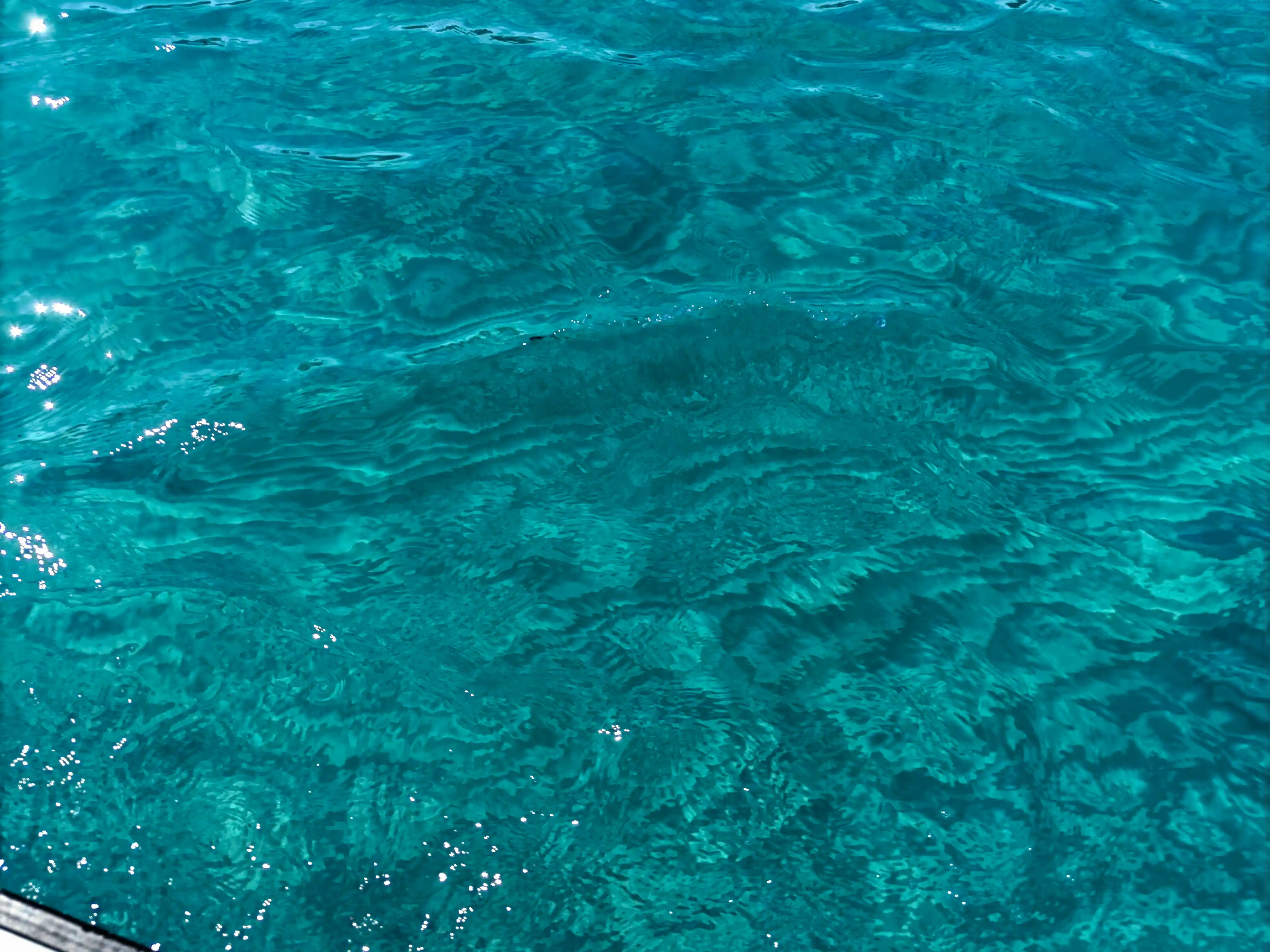
015.webp — Abstract study of the ocean surface: deep turquoise water with bright sun glare on wave crests. No horizon, only movement, color, and Caribbean light.

015 · Water AbstractView original →
Bridge over valley wide - Bacunayagua Bridge

016.webp — Bacunayagua Bridge — Cuba's Highest Bridge
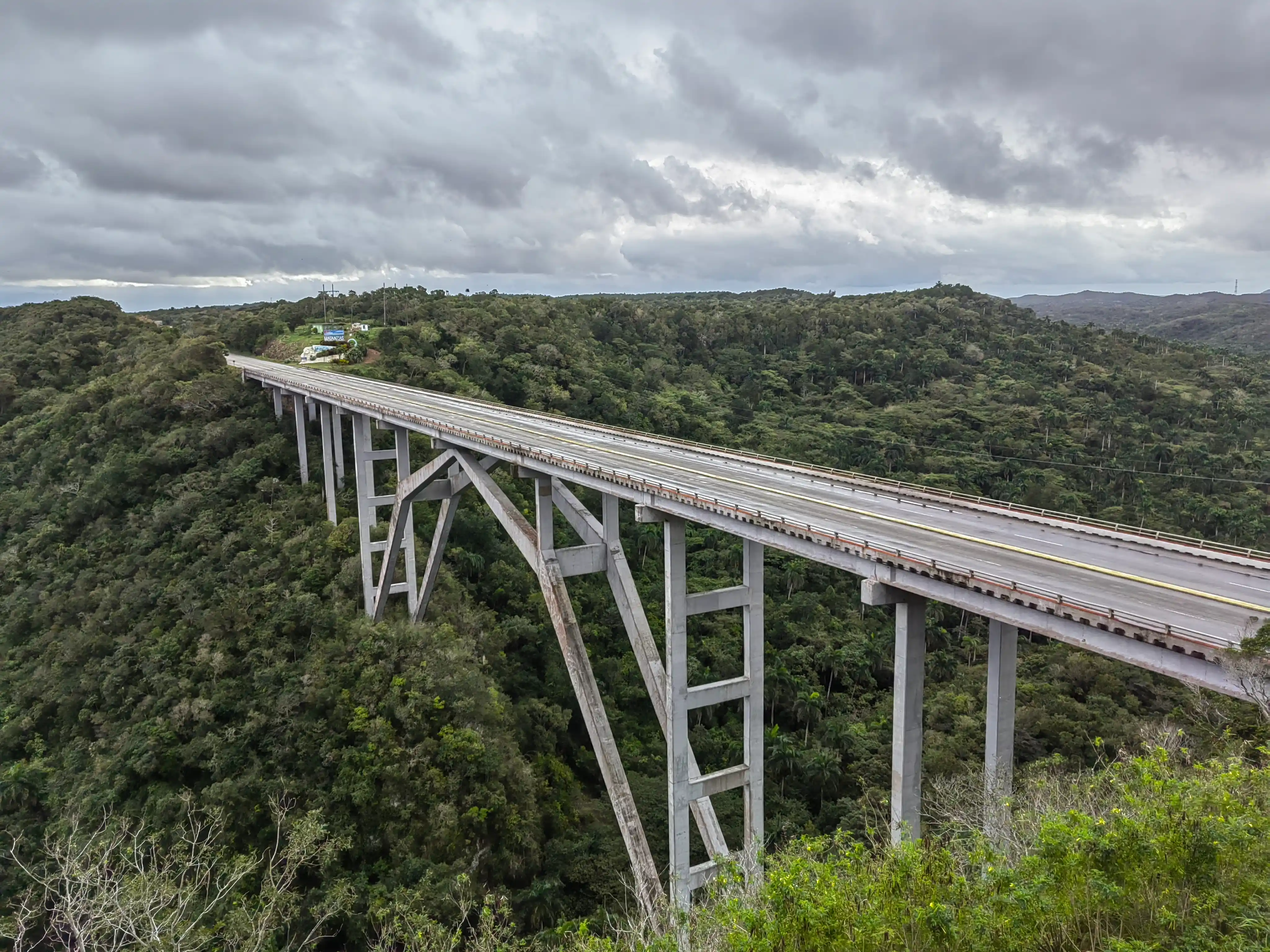
This dramatic concrete bridge curving across a deep green valley is the Puente de Bacunayagua (Bacunayagua Bridge), located 18 km west of Matanzas on the Vía Blanca highway. Completed in 1959 and inaugurated by Fidel Castro on September 26 of that year, it is the highest bridge in Cuba at 103.5 meters (340 feet) above the river below. With a total length of 313.5 meters and an arch span of 114 meters, it is considered one of the seven wonders of Cuban civil engineering. The bridge connects Mayabeque and Matanzas provinces and carries the Vía Blanca across the lush Yumurí Valley canyon. It was designed by Cuban engineer Luis Sáenz Duplace and built by the firm SACMAG using the innovative Melan system (semi-arches), the first time this Austrian technique was used in Cuba. The dense jungle canopy below and gray sky overhead emphasize the awe-inspiring scale of this engineering marvel.

016 · Bacunayagua Bridge · Cuba's Tallest Bridge · Engineering WonderView original →
Bridge pillars close-up - Bacunayagua Bridge underside

016-1.jpg — Underside View of Bacunayagua Bridge
This dramatic underside view showcases the massive concrete viaduct of the Bacunayagua Bridge, with its thick pillars and elegant steel-reinforced arches stretching over a forested valley. The bridge was built between 1956 and 1959 using prefabricated techniques and post-tensioned concrete. The towers are built on the Vierendel truss principle, and the 47-ton beams were placed using launching trusses because Cuba at the time had no cranes capable of lifting such weight. The cloudy sky adds moody grandeur to this engineering masterpiece, which offers breathtaking views of the Yumurí Valley to the south and glimpses of the Caribbean Sea to the north. A popular tourist stop, there is a mirador (lookout) with a snack bar on the western side of the bridge.

016-1 · Bacunayagua Bridge · Viaduct Underside & Engineering DetailsView original →
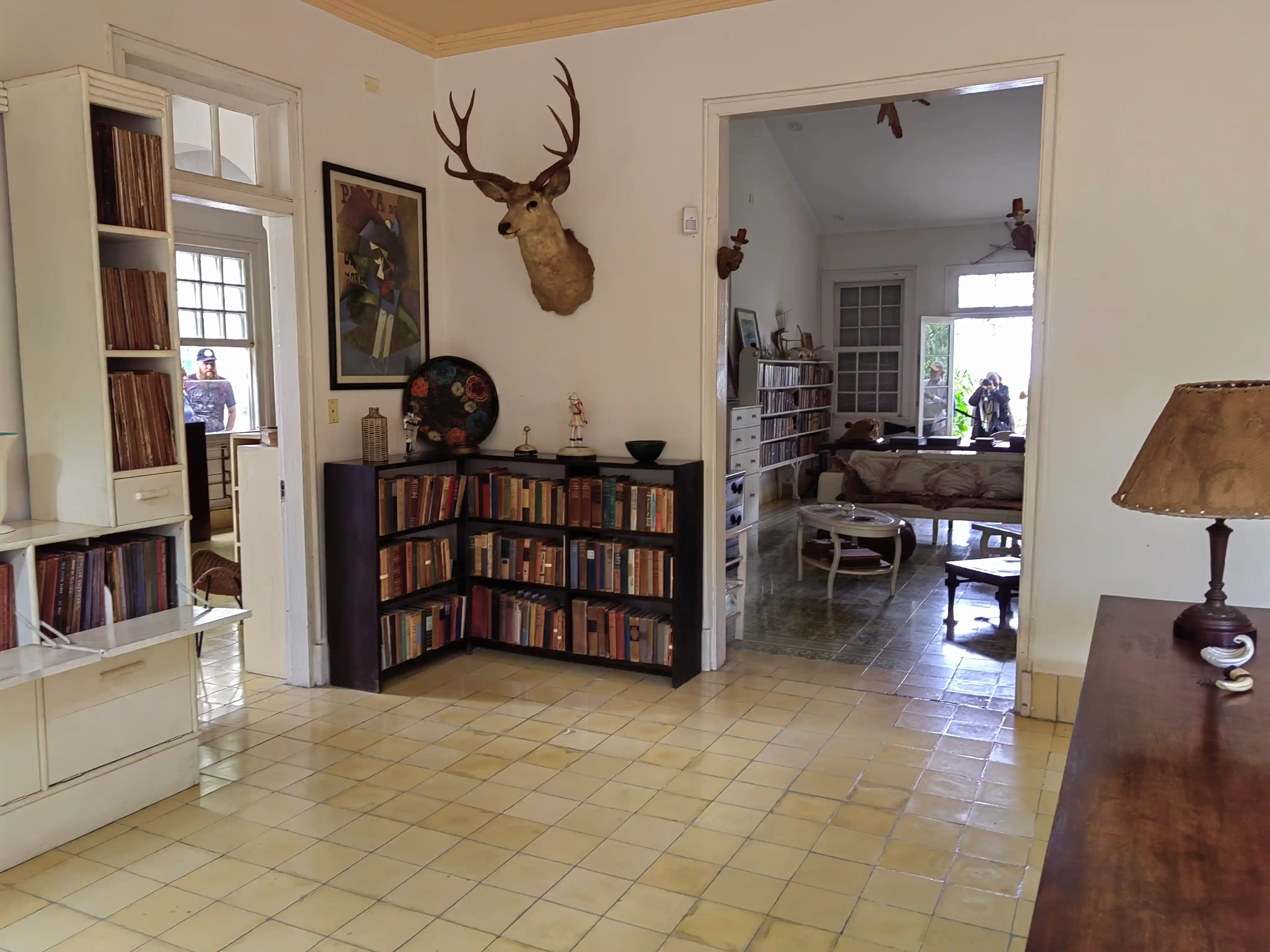
Hemingway's living room - Finca Vigía

017.webp — Finca Vigía (Hemingway House), Havana outskirts
Iconic yellow-tiled living room where Ernest Hemingway lived from 1939 to 1960. The white bookshelves hold his personal library of over 9,000 volumes. A mounted deer head — a hunting trophy from Idaho — hangs above, while the famous "Danzón" poster adds local rhythm. This room inspired The Old Man and the Sea (1952) and Islands in the Stream.

017 · Havana (San Francisco de Paula) · Hemingway's SanctuaryView original →
Hemingway's bookshelf and deer head - Finca Vigía

017-1.jpg — Intimate corner of Hemingway's study
Close view of the legendary white bookshelves at Finca Vigía. The mounted deer head and "Danzón" poster point to Hemingway's dual passions: hunting and Cuban culture. The room remains exactly as it was on the day he left Cuba for the last time, November 1960.

017-1 · Havana · Literary Time CapsuleView original →
Sunroom at Finca Vigía - Hemingway House

017-2.jpg — The sunroom overlooking tropical gardens
Bright sunroom with floral sofa, lace curtains, and tall windows opening to the lush hills of San Francisco de Paula. This light‑filled space was Hemingway's preferred reading corner, where he reviewed manuscripts while listening to Cuban music.

017-2 · Havana · Hemingway's Light‑filled RetreatView original →
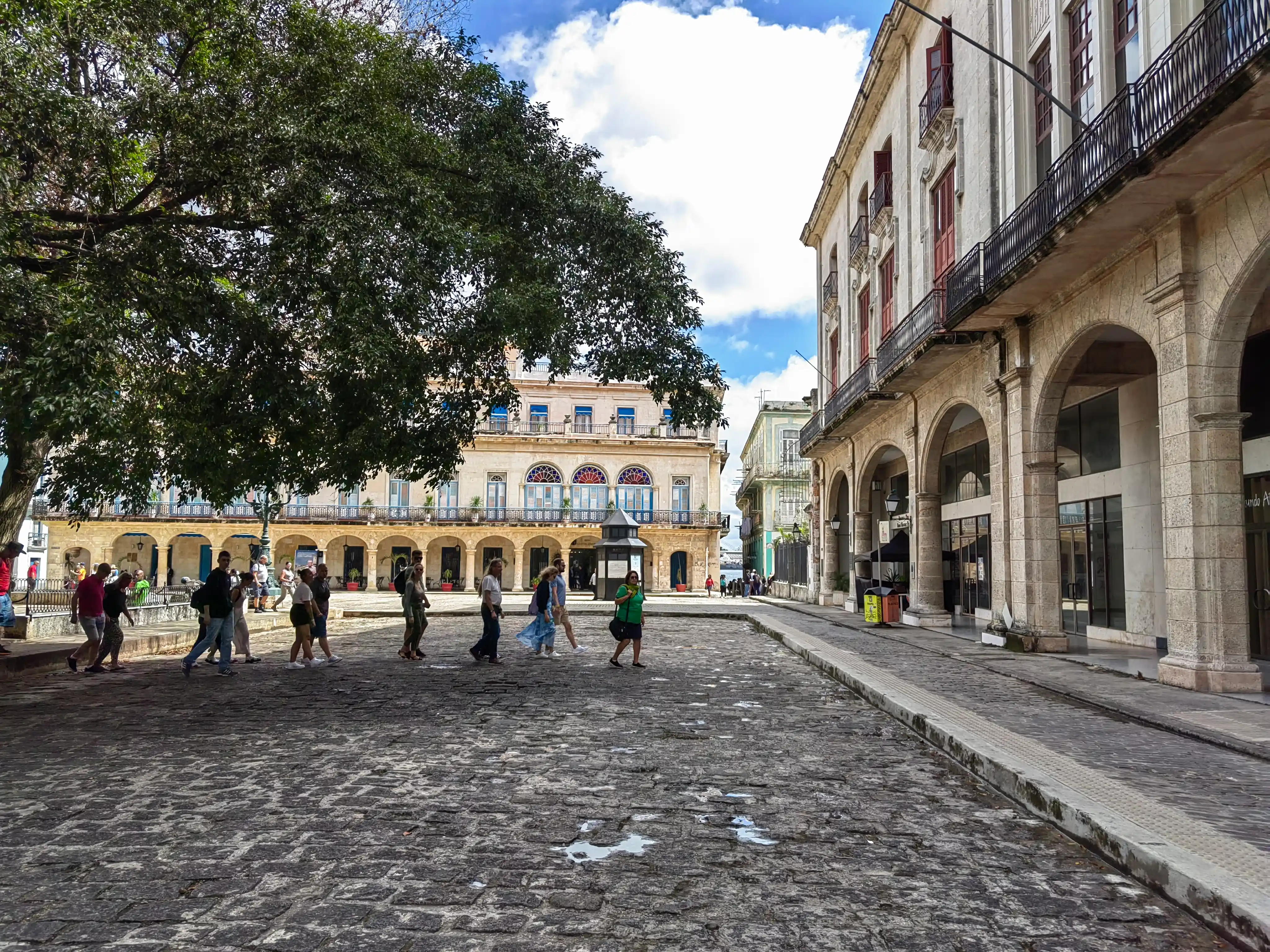
Large historic plaza - Havana

018.webp — Plaza Vieja, Havana
This expansive civic square surrounded by colonnaded buildings is Plaza Vieja (Old Square) in Havana, one of the city's most architecturally diverse plazas. Built in 1559, it was originally a parade ground and market. Today, it blends Baroque, Art Nouveau, and Neo-Moorish styles. The large leafy tree on the left provides shade for groups of pedestrians, while the surrounding buildings house art galleries, cafés, and apartments. After decades of neglect, Plaza Vieja was fully restored in the 1990s and now stands as one of Havana's most beloved gathering spots, a perfect example of the city's living history.

018 · Havana · Plaza Vieja · Historic SquareView original →
Colonnaded square from side - Havana

018-1.jpg — Arched Gallery of Plaza Vieja, Havana
Side view of the grand stone plaza in Havana's Plaza Vieja, showcasing continuous arches, iron balconies, and old cobblestones. A single tree provides shade, as people cross diagonally through this architectural gem. The surrounding buildings date from the 17th to 19th centuries, reflecting Havana's colonial prosperity. This square is a favorite spot for photographers and history lovers alike, offering a glimpse of Old Havana's timeless beauty.

018-1 · Havana · Plaza Vieja · Arched GalleryView original →
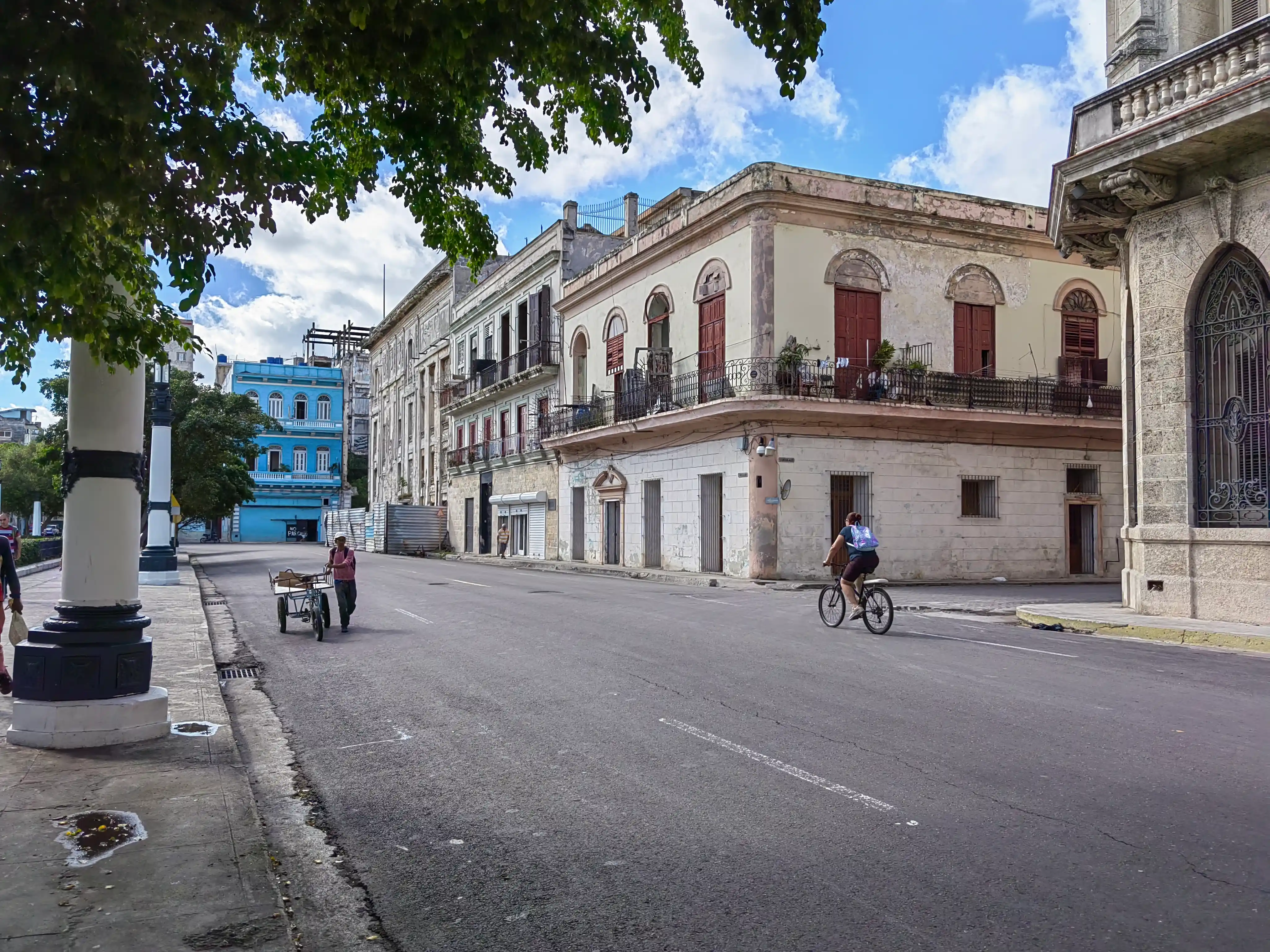
Urban decay street - Havana

019.webp — Authentic Havana Street Scene
This wide street with flaking facades and neoclassical remnants captures the raw, authentic texture of everyday Havana. A man rides a bicycle while another pushes a handcart loaded with goods. The pastel colors, peeling paint, and iron grilles are signatures of Havana's urban landscape — where history is visible on every wall. Unlike polished tourist postcards, this image shows the real Havana: resilient, lived-in, and full of character. The street, likely in Centro Habana or Old Havana, reflects the daily rhythm of a city that survives and thrives despite decades of economic challenges.

019 · Havana · Urban Life & Authentic TextureView original →
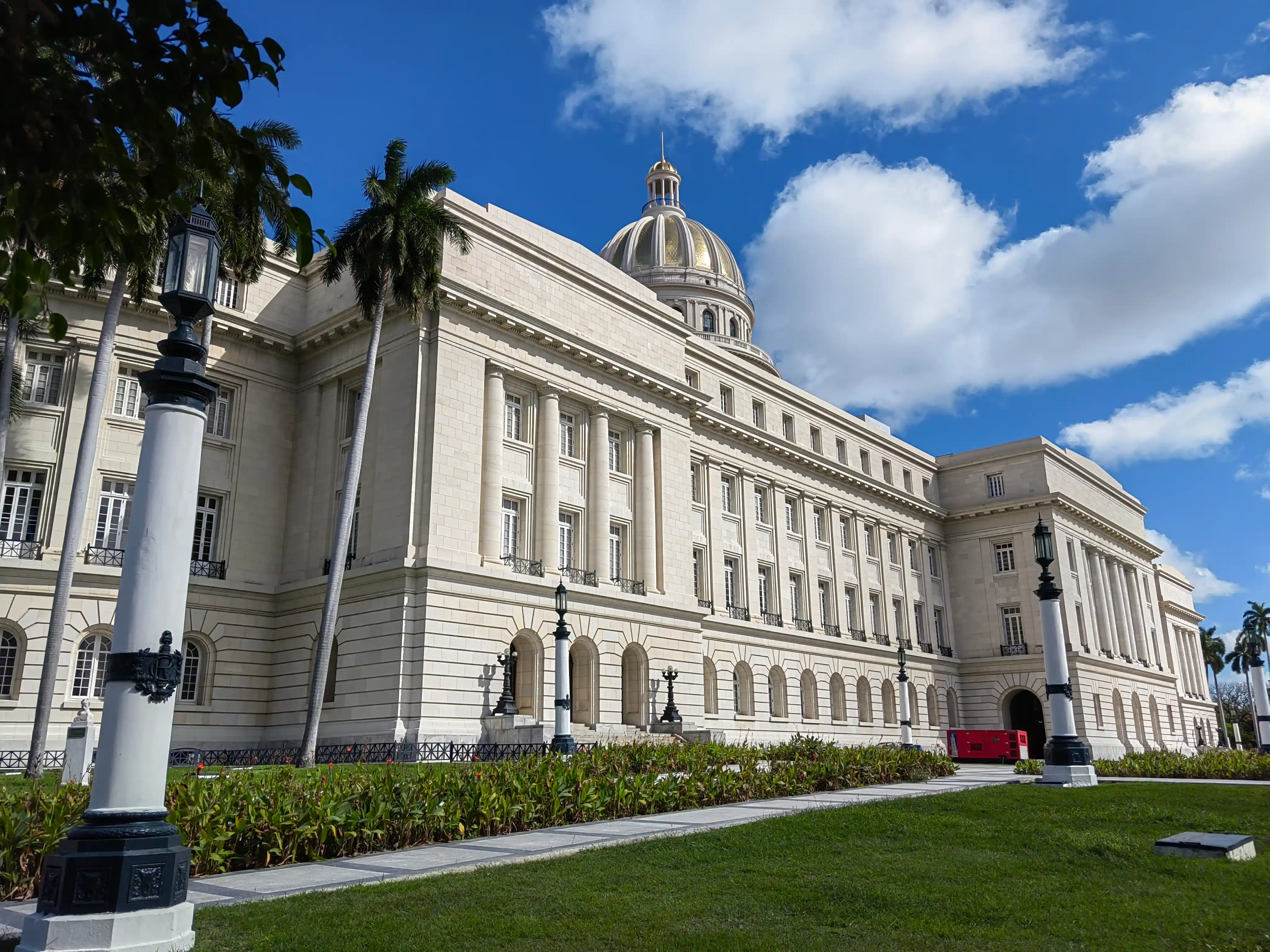
El Capitolio main facade - Havana

020.webp — El Capitolio Nacional, Havana
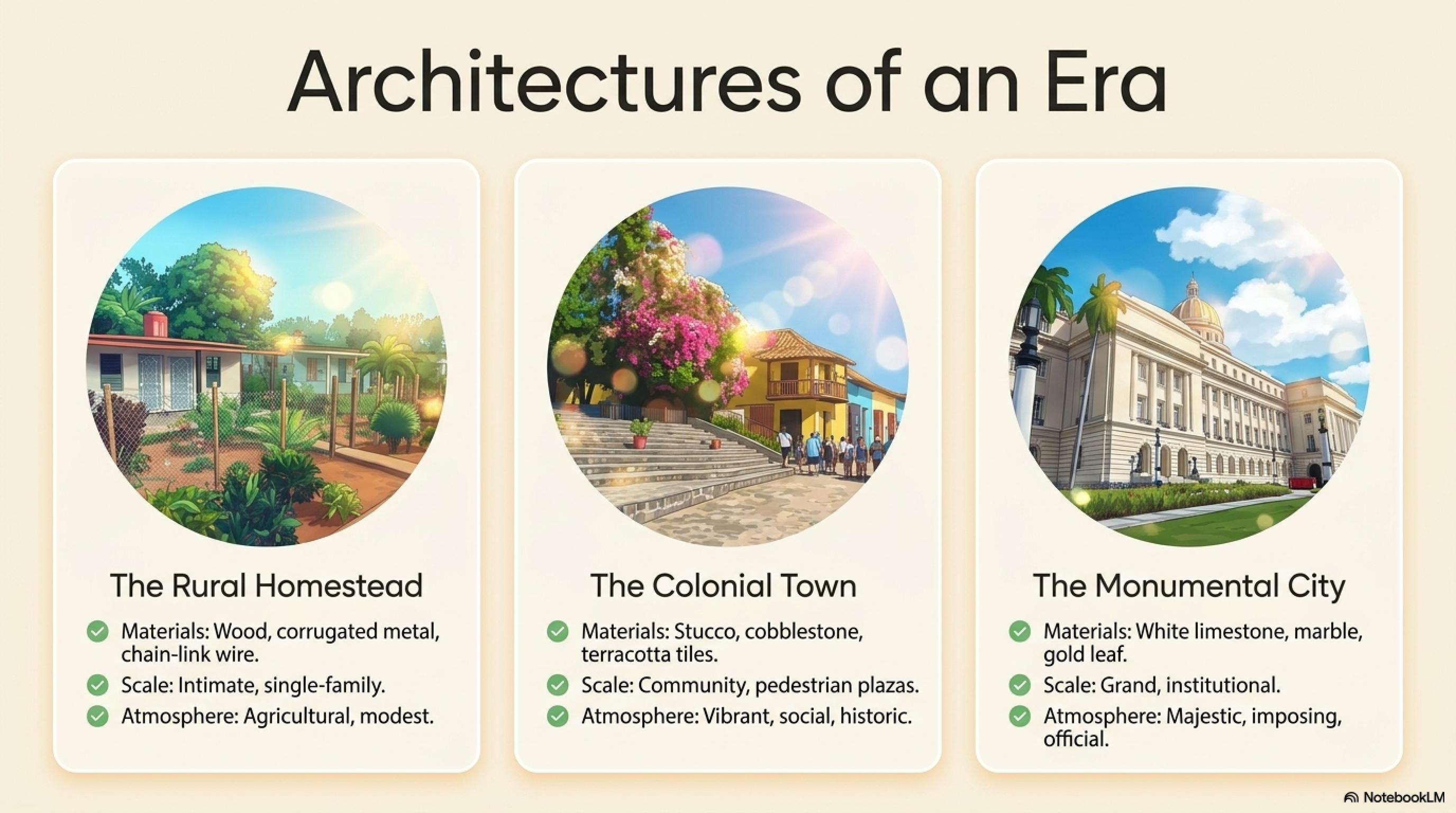
The iconic El Capitolio in Havana is one of the city's most recognizable landmarks. Completed in 1929, it was inspired by the Panthéon in Paris and resembles the U.S. Capitol, though it stands taller. Its golden dome, white limestone facade, classical columns, towering palms, and vintage lampposts create a stunning composition. The building housed Cuba's congress until the 1959 revolution and now serves as the headquarters of the Cuban Academy of Sciences and a major tourist attraction. Under bright sunlight with fluffy clouds overhead, El Capitolio remains the undisputed symbol of Havana's grandeur and republican era.

020 · Havana · El Capitolio · Landmark DomeView original →
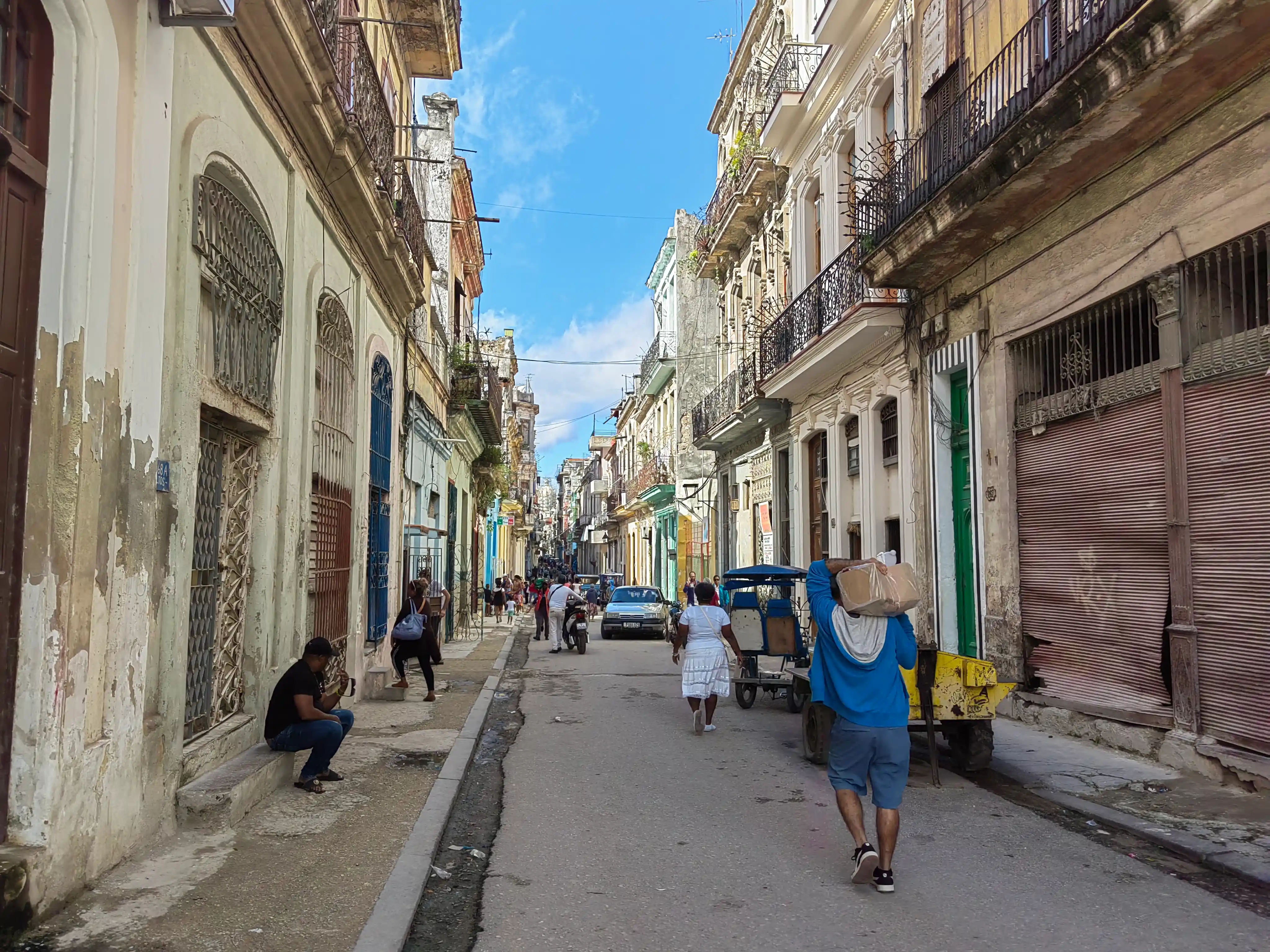
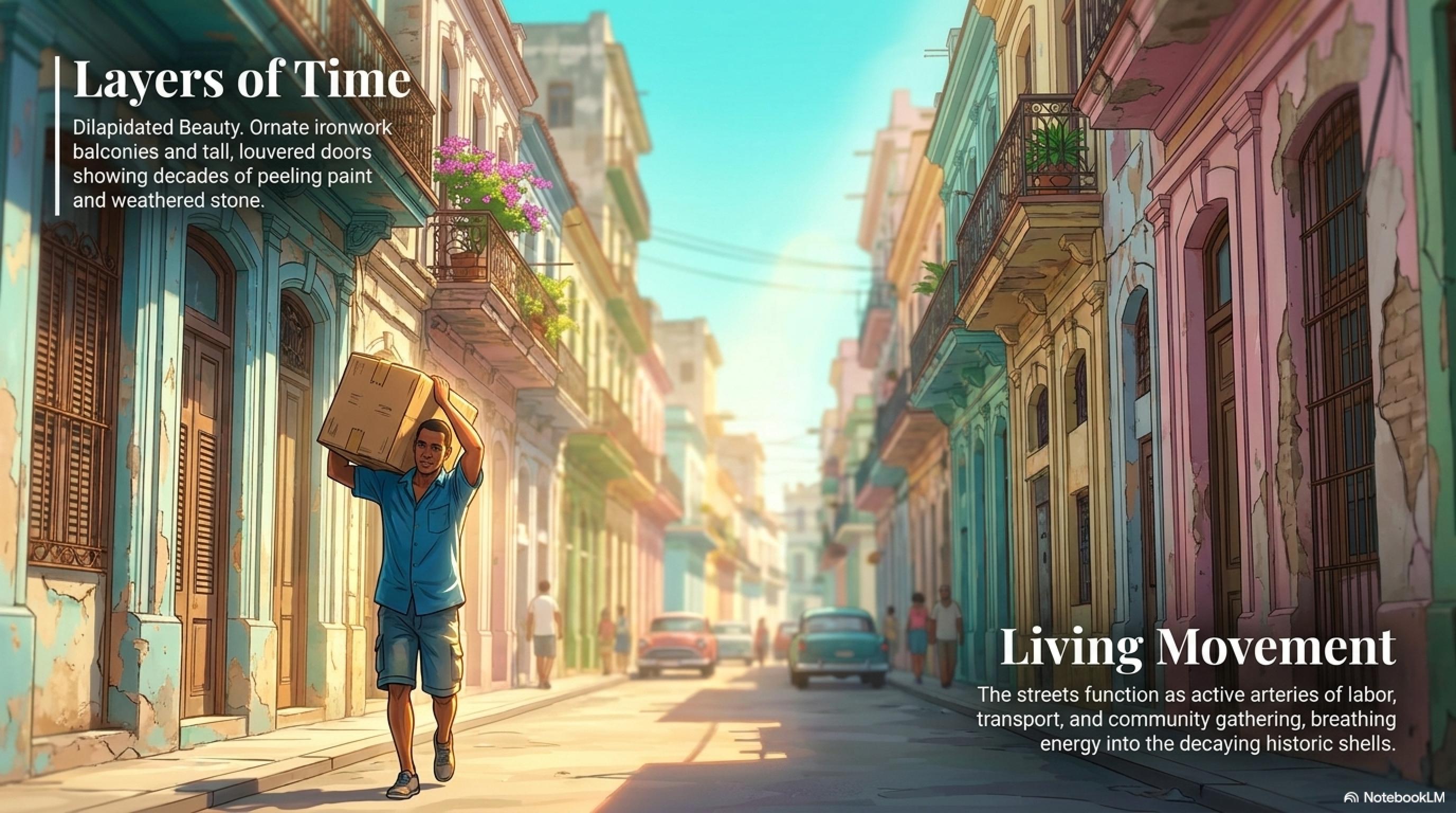
Narrow colonial street - Havana

021.webp — Narrow Colonial Street, Old Havana
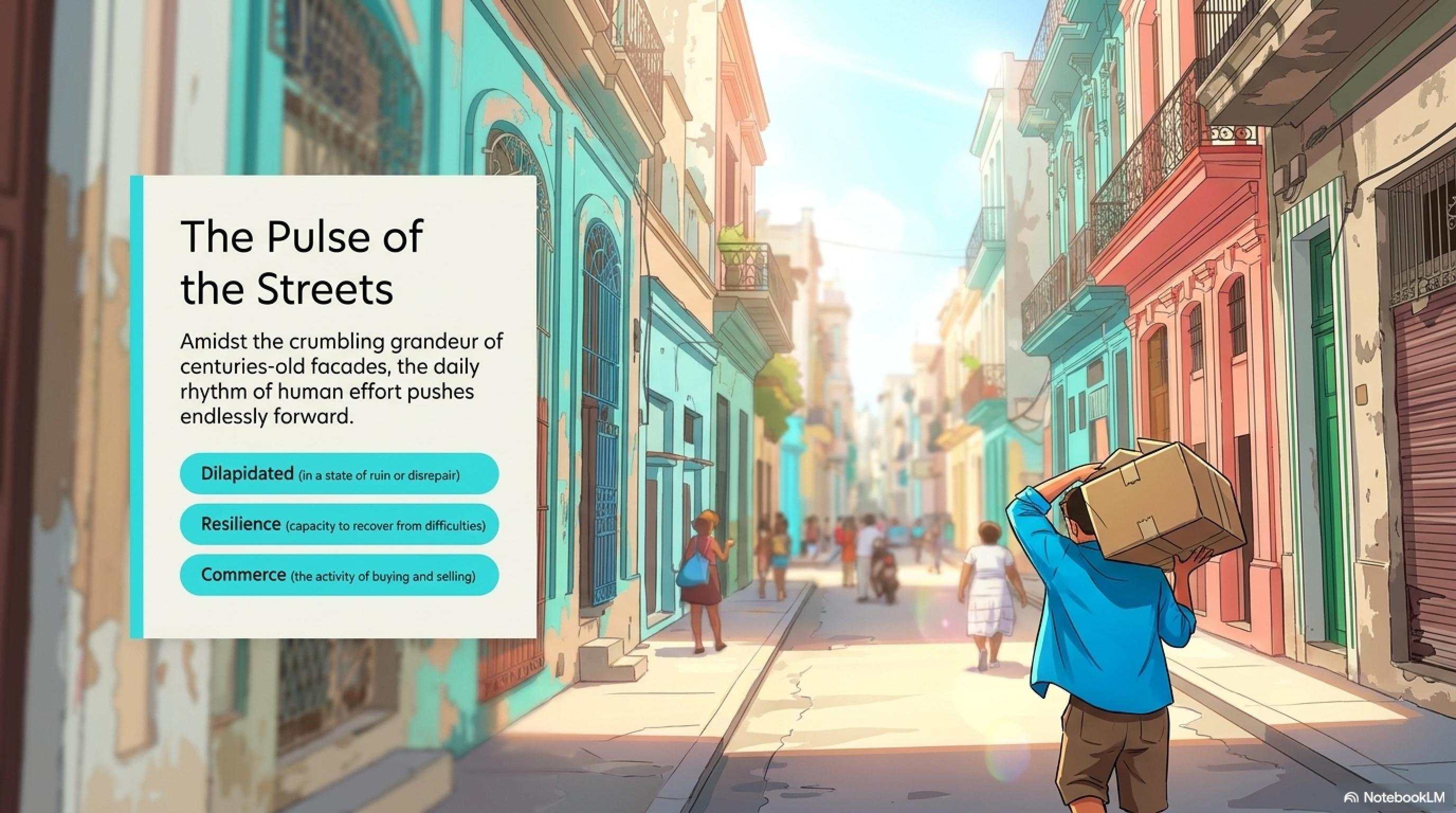
This canyon-like colonial street in Old Havana (Habana Vieja) features tall aging buildings with wrought-iron balconies. A man in a blue shirt carrying a box recedes into the depth of the frame, adding scale to the towering facades. The narrow cobblestone lane, crumbling pastels, and shafts of sunlight are hallmarks of Havana's historic core, a UNESCO World Heritage site. Streets like this have witnessed five centuries of history — from Spanish galleons to modern-day bicitaxis.

021 · Old Havana · Deep Perspective & Colonial ArchitectureView original →
Narrow street with bici-taxi - Havana

021-1.jpg — Bicitaxi in Old Havana
A narrow cobblestone lane in Old Havana with a bicycle taxi (bicitaxi) waiting under shuttered windows. Dilapidated pastels, strong sunlight, and a dog resting on a doorstep capture the city's everyday poetry. Bicitaxis are a common and eco-friendly way to navigate Havana's tight historic streets, especially for short trips between plazas.

021-1 · Old Havana · Bicycle Taxi & Daily LifeView original →
Man carrying box - Havana

021-2.jpg — Daily Labor in Havana
A man in a bright blue shirt carries a large cardboard box on his shoulder, walking down a narrow sunlit street in Havana. Iron balconies hang overhead, and the vintage ambiance is unmistakable. This image captures the resilience and industrious spirit of Habaneros, who keep their city moving despite economic hardships.

021-2 · Havana · Daily LaborView original →
Street vendor fruit cart - 022-1

022-1.jpg — Colorful fruit cart on a Havana sidewalk: mangoes, bananas, pineapples. Vendor in straw hat. Worn colonial wall as backdrop — everyday commerce.

022-1 · Havana · Fruit VendorView original →
Children playing in street - 022-2

022-2.jpg — Two children playing with a worn soccer ball on a cobblestone street. Grinning faces, colorful houses, clothes hanging from balconies — resilient joy.

022-2 · Havana · Playful SpiritView original →

🇨🇺 Complete Archive · Varadero · Trinidad · Cienfuegos · Havana · Bacunayagua Bridge

This visual journey spans multiple Cuban destinations: Varadero (toll gate, Sirenis Tropical beach and rocky coast, vintage cars, and Central Park), Trinidad (Plaza Mayor with bougainvillea-covered colonial walls, a UNESCO World Heritage site), Cienfuegos (the elegant Paseo del Prado, "Pearl of the South"), Santa Clara (Che Guevara memorial), Havana (Plaza Vieja, El Capitolio, narrow colonial streets, bicitaxis, daily life, and Hemingway's Finca Vigía), and the engineering marvel Bacunayagua Bridge (016) — the highest bridge in Cuba, considered one of the seven wonders of Cuban civil engineering. Photo 007 captures a charming rural scene with a man wearing white rubber boots (botas de goma), an iconic symbol of Cuban agricultural life and practicality. Each image is displayed with object-fit: contain — no cropping, every original detail visible.

Two companion PDFs — Vibrant Cuba Vocabulary Tour (slang and local phrases) and Vibrant Cuba Visual Guide — invite you deeper into the language and rhythm behind the lens. Hasta la victoria siempre, and may these images remind you that Cuba is not one story but a thousand, each framed by Caribbean light.